
13 Dead After Major Gas Explosion at Qatar LNG Facility
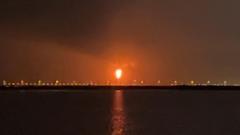
Qatar Gas Explosion Leaves Multiple Casualties
A significant Qatar gas explosion has resulted in at least 13 fatalities and numerous injuries at one of the nation's critical energy infrastructure facilities. The incident occurred at the primary liquified natural gas processing complex located within the Ras Laffan industrial zone, a major hub for the country's hydrocarbon operations.
The Qatar gas explosion was officially characterized as a technical malfunction by authorities investigating the incident. Emergency response teams were immediately mobilized to the affected area to address casualties and prevent further complications. The scale of the accident underscores the inherent risks associated with large-scale industrial operations involving volatile natural gas compounds.
The Ras Laffan Industrial Zone Impact
The Ras Laffan industrial zone serves as a cornerstone of Qatar's energy export economy, hosting numerous petrochemical and natural gas facilities. This particular technical incident at the liquified natural gas processing facility has drawn considerable attention from international safety regulators and energy sector observers. The location's strategic importance to global LNG markets has heightened concerns regarding operational continuity and supply chain implications.
Rescue and recovery operations were coordinated between local emergency services and facility management personnel. Medical facilities across the region were placed on alert to accommodate the influx of injured individuals requiring treatment. The initial response phase focused on stabilizing survivors and securing the affected industrial site.
Technical Accident Investigation Underway
Preliminary assessments characterized the occurrence as a technical accident stemming from equipment malfunction or operational system failure. Investigators from Qatar's relevant industrial oversight bodies commenced detailed examinations of the facility's operational records and physical infrastructure. Understanding the root cause of this Qatar gas explosion remains essential for preventing similar incidents at comparable facilities.
The liquified natural gas processing facility represents decades of technological investment and operational expertise. The technical systems governing pressure management, temperature control, and containment protocols are typically subject to rigorous maintenance schedules. The emergence of this accident suggests potential gaps in either equipment condition or monitoring procedures that warrant comprehensive review.
Broader Safety and Economic Implications
Incidents involving major LNG infrastructure carry substantial consequences extending beyond immediate human casualties. The global energy market maintains significant dependency on LNG supplies originating from major producing nations. Any disruption to operational capacity at critical facilities like those in Ras Laffan can influence international energy pricing and availability.
The Qatar gas explosion will likely trigger enhanced safety audits across comparable industrial facilities throughout the region and internationally. Regulatory bodies may implement stricter operational protocols and maintenance verification procedures at liquified natural gas processing plants. Insurance providers and investment stakeholders in the energy sector monitor such incidents closely due to their implications for facility valuations and operational risk assessments.
Emergency Response and Support
The immediate emergency response demonstrated the coordination capabilities of Qatar's crisis management infrastructure. Medical personnel, fire suppression teams, and hazardous materials specialists worked collaboratively to address the multi-faceted emergency. Beyond emergency services, government officials announced support measures for affected families and injured workers requiring extended medical care.
International humanitarian organizations and neighboring countries offered assistance to support recovery efforts. The incident highlighted the importance of maintaining robust emergency preparedness protocols at high-risk industrial sites. Regular drills and updated safety procedures can significantly reduce casualty rates when accidents occur at major facilities processing volatile compounds.
Looking Forward
As investigations continue into the causes of this Qatar gas explosion, industry observers anticipate comprehensive safety reviews across the liquified natural gas sector. The technical accident serves as a stark reminder of the critical need for continuous monitoring and maintenance at facilities handling dangerous materials. Enhanced international cooperation in sharing safety best practices may emerge from detailed analysis of this incident's root causes and contributing factors.


