
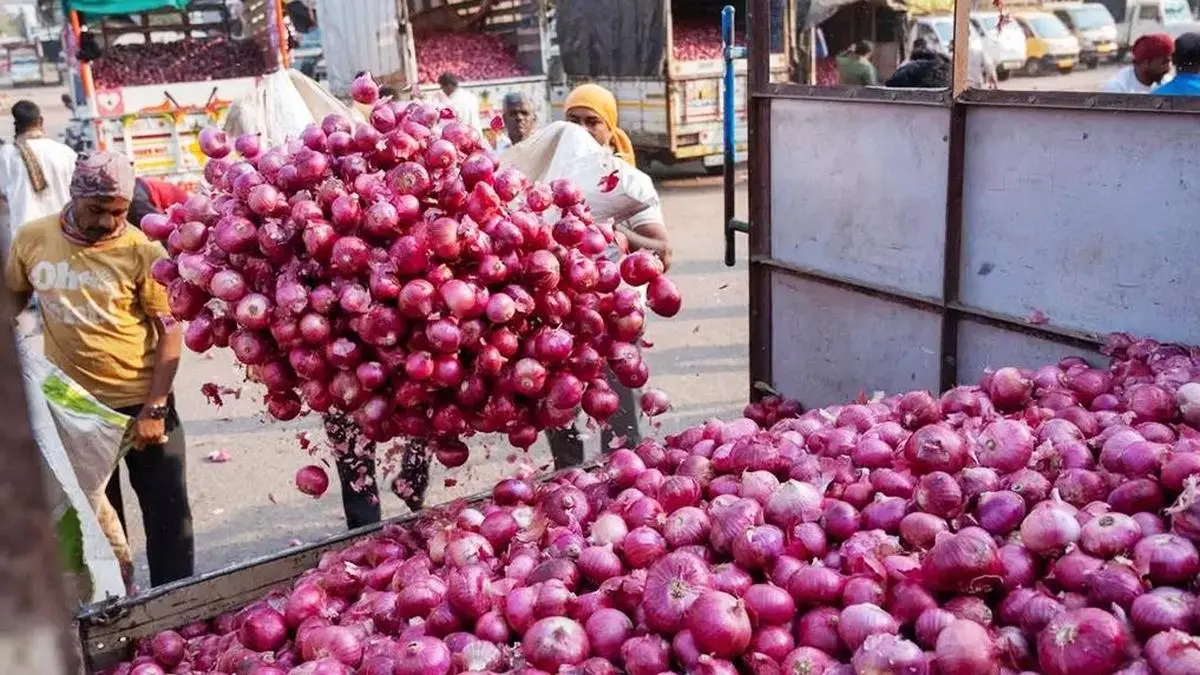
Bangladesh and Saudi Arabia, two major importers from India, have recently cut their imports from the country, while Pakistan has recorded a significant increase in its exports to these nations. This shift in trade patterns has been attributed to the price advantage and currency advantage that Pakistan holds over India.
Bangladesh, a rapidly developing economy, has been a major importer of various goods from India. However, in the last few months, the country has reduced its imports from India and instead turned towards Pakistan. The main reason for this shift is the price advantage that Pakistan offers. Due to its lower production costs and efficient manufacturing processes, Pakistan is able to offer goods at a lower price as compared to India. This has not only attracted the attention of Bangladesh but also other countries in the region.
Similarly, Saudi Arabia, one of the largest oil-producing countries in the world, has also reduced its imports from India in the recent past. The country has turned towards Pakistan for its agricultural and textile imports. The currency advantage that Pakistan holds over India has played a crucial role in this decision. The Pakistani Rupee has depreciated against the US Dollar, making its exports more competitive in the international market. On the other hand, the Indian Rupee has remained relatively stable, giving Pakistan an edge in terms of pricing.
This trend of reduced imports from India has been observed not only in Bangladesh and Saudi Arabia but also in other countries in the region. The price and currency advantage that Pakistan holds have made it a preferred choice for many importers. This has resulted in a significant increase in Pakistan’s exports, especially in the textile and agricultural sectors.
In addition to the price and currency advantage, Pakistan’s efforts to improve its infrastructure and ease of doing business have also contributed to its success in the international market. The country has invested in its ports and roads, making it easier for exporters to transport their goods. This has also reduced the overall cost of exports, making Pakistani goods even more competitive in the global market.
The Pakistani government has also taken several measures to boost its exports and attract more foreign investment. These include tax incentives, subsidies, and trade agreements with other countries. These efforts have paid off, as Pakistan’s exports have been on a steady rise in the last few years.
The increase in Pakistan’s exports has not only benefited the country’s economy but has also strengthened its position in the international market. With its competitive pricing and ease of doing business, Pakistan has emerged as a viable alternative to traditional exporting countries like India and China.
However, this shift in trade patterns is not a cause for concern for India. It is an opportunity for the country to reassess its trade policies and make necessary changes to remain competitive in the global market. India has a lot to offer in terms of quality products and skilled labor, and with the right policies and strategies, it can regain its position as a preferred trading partner.
In conclusion, the recent trend of reduced imports from India and increased exports from Pakistan is a result of the price and currency advantage that Pakistan holds. It is a testament to Pakistan’s growing competitiveness and its efforts to improve its business environment. While this may pose a challenge for India, it also presents an opportunity for the country to revamp its trade policies and emerge stronger in the global market.





