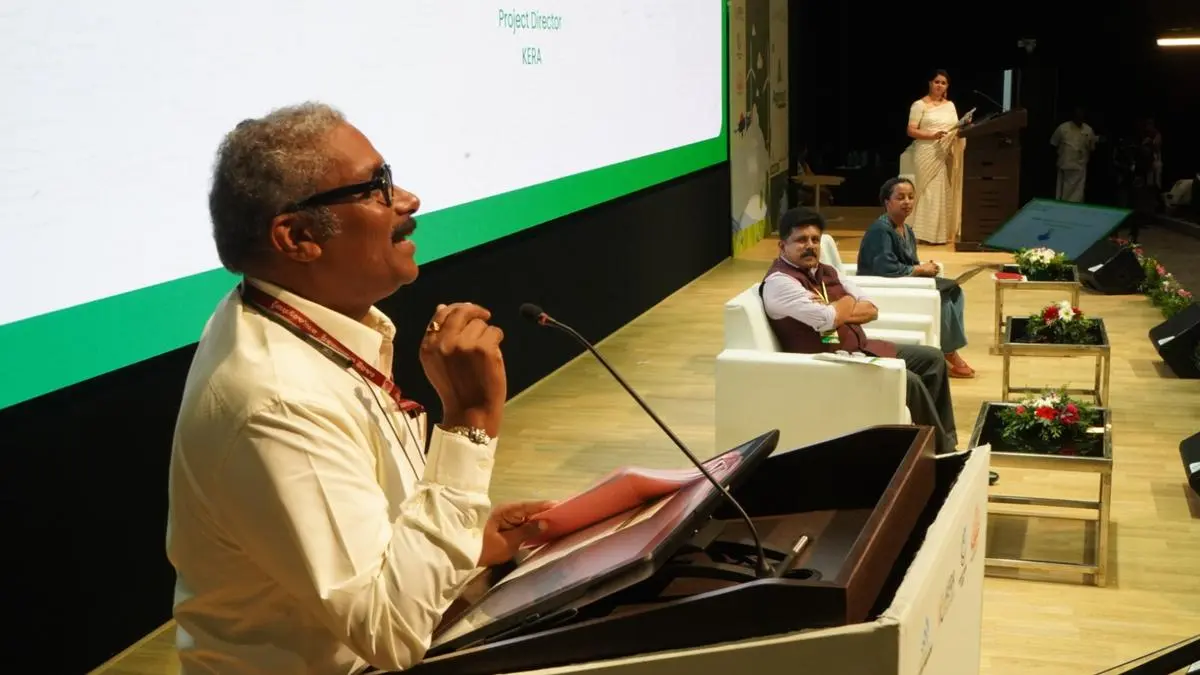
Experts stress need for technologies that cater to small farmers
Agriculture has been the backbone of many economies around the world, providing food and livelihood for millions of people. In recent years, there has been a growing concern about the sustainability of our agricultural practices and the need for technological advancements to support small farmers. As the global population continues to grow, the demand for food is also increasing, and it is essential to ensure that small farmers have access to the necessary tools and technologies to meet this demand.
Small farmers, who make up a significant portion of the agricultural workforce, often face numerous challenges in their daily operations. These challenges include limited access to resources, lack of knowledge and skills, and the effects of climate change. To address these issues, experts are stressing the need for technologies that cater specifically to small farmers.
One of the main challenges faced by small farmers is the lack of access to resources such as land, water, and credit. With limited resources, it becomes difficult for them to invest in modern farming techniques and equipment, which could significantly increase their productivity. This is where technology comes in. With the right tools and equipment, small farmers can improve their efficiency and reduce their labor and production costs. For example, precision farming technologies, such as soil sensors and drones, can help small farmers make informed decisions about when and where to plant, water, and fertilize their crops. This not only saves time and resources but also increases the yield and quality of their produce.
Another significant challenge faced by small farmers is the lack of knowledge and skills to adopt new technologies. Many small farmers come from rural and remote areas with limited access to education and training. As a result, they may not be aware of the latest farming techniques and technologies that could benefit their operations. To address this issue, experts are stressing the need for training and education programs specifically designed for small farmers. These programs can provide them with the necessary knowledge and skills to use modern technologies effectively. Furthermore, these programs can also help small farmers understand the importance of sustainable farming practices, which can have a positive impact on the environment and their long-term productivity.
Climate change is another pressing issue that small farmers face. With unpredictable weather patterns and extreme weather events becoming more frequent, small farmers are at a higher risk of crop failures and losses. To mitigate the effects of climate change, experts are emphasizing the need for climate-smart technologies that can help small farmers adapt to changing conditions. These technologies include drought-resistant seeds, precision irrigation systems, and weather monitoring tools. By using these technologies, small farmers can reduce their vulnerability to climate change and continue to produce food even in harsh conditions.
Apart from addressing the challenges faced by small farmers, technology can also open up new opportunities for them. With the rise of e-commerce and online marketplaces, small farmers can now reach a wider market and sell their produce directly to consumers. This not only eliminates the need for middlemen but also allows small farmers to earn a fair price for their products. Additionally, technology can also help small farmers diversify their income by engaging in activities such as agro-tourism and value-added processing of their produce.
In conclusion, experts stress the need for technologies that cater to small farmers to ensure the sustainability of our agricultural sector. These technologies can help small farmers overcome their challenges and open up new opportunities for them. However, it is crucial to ensure that these technologies are affordable, accessible, and easy to use for small farmers. Governments, NGOs, and private organizations must work together to provide the necessary support and resources to small farmers to adopt these technologies. By doing so, we can empower small farmers and create a more sustainable and resilient agricultural sector for the future.