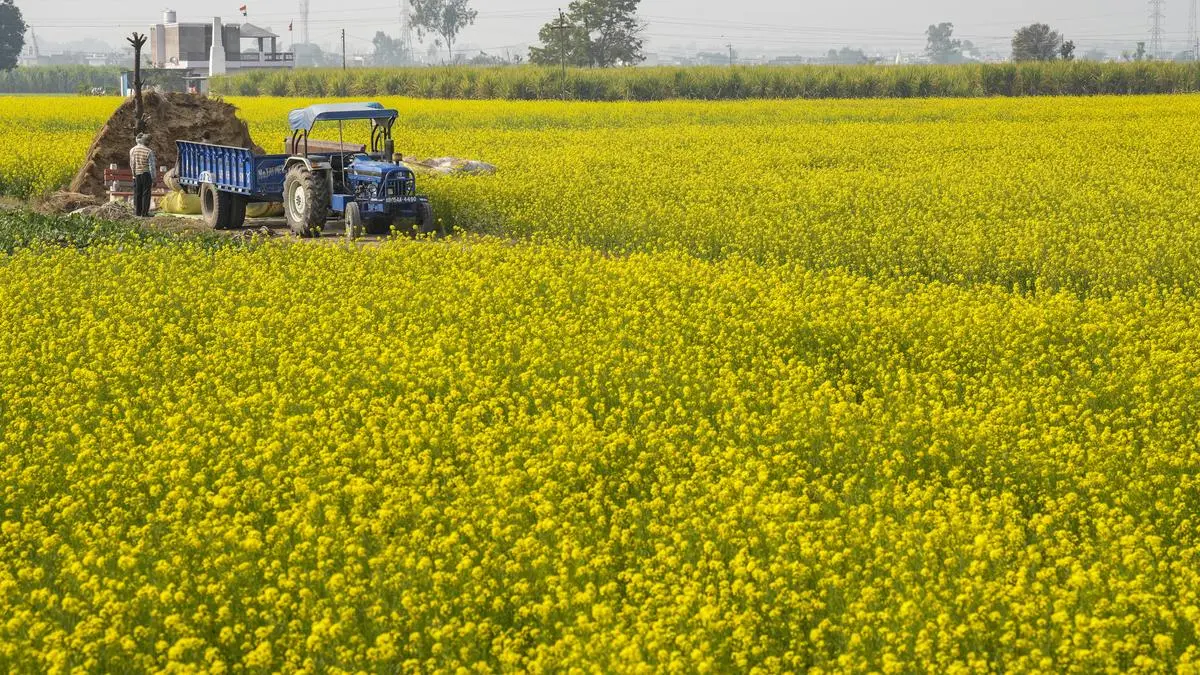
The oilseed industry in India has been witnessing a significant growth in recent years, with major growing states such as Rajasthan, Madhya Pradesh, and Uttar Pradesh leading the way. This increase in the area under oilseed cultivation is a testament to the hard work and dedication of our farmers, as well as the government’s efforts to promote and support this vital sector.
According to recent reports, the area under oilseed cultivation in Rajasthan has increased by 20%, while Madhya Pradesh and Uttar Pradesh have seen a growth of 15% and 10% respectively. This is a remarkable achievement, considering the challenges faced by the agricultural sector in the past few years.
One of the main reasons for this increase in oilseed cultivation is the rising demand for edible oils in the country. With a growing population and changing dietary habits, the demand for edible oils has been steadily increasing. This has created a huge opportunity for our farmers to capitalize on and increase their income.
The government’s initiatives such as the Pradhan Mantri Kisan Sampada Yojana and the National Mission on Oilseeds and Oil Palm have also played a crucial role in promoting oilseed cultivation. These schemes provide financial assistance, training, and technical support to farmers, helping them adopt modern techniques and improve their productivity.
Moreover, the introduction of high-yielding and disease-resistant varieties of oilseeds has also contributed to the increase in cultivation. These varieties not only ensure a better yield but also reduce the risk of crop failure, providing a sense of security to the farmers.
The increase in oilseed cultivation has not only benefited the farmers but also the country’s economy. India is one of the largest importers of edible oils, and the rise in domestic production has reduced our dependence on imports. This has not only saved valuable foreign exchange but also created employment opportunities in the rural areas.
The growth in the oilseed sector has also had a positive impact on the environment. Oilseed crops are known to improve soil fertility and reduce soil erosion, making them an environmentally sustainable option. This increase in cultivation has also led to a decrease in the use of chemical fertilizers and pesticides, promoting organic farming practices.
The government’s focus on promoting oilseed cultivation is also aligned with its goal of doubling farmers’ income by 2022. With the rise in production, farmers are not only able to meet the domestic demand but also export their surplus produce, generating additional income.
However, there is still room for improvement in the oilseed sector. The government and other stakeholders must continue to work together to address the challenges faced by the farmers, such as access to credit, market linkages, and storage facilities. This will not only ensure a steady growth in the sector but also improve the livelihoods of our farmers.
In conclusion, the increase in the area under oilseed cultivation in major growing states such as Rajasthan, Madhya Pradesh, and Uttar Pradesh is a positive sign for the country’s agricultural sector. It is a result of the combined efforts of the government, farmers, and other stakeholders. With the right support and initiatives, we can further boost the production of oilseeds and make India self-sufficient in edible oils. Let us continue to work towards a prosperous and sustainable future for our farmers and the nation.