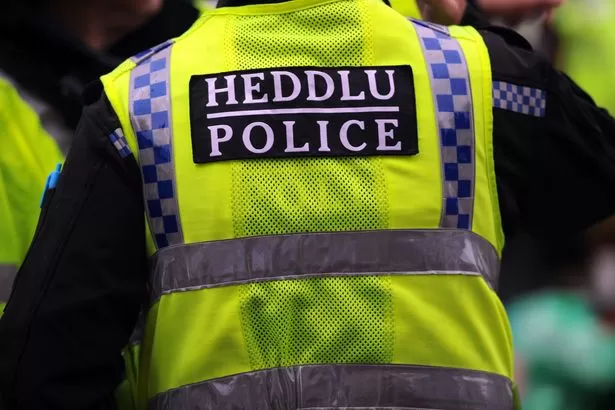
In recent years, law enforcement agencies in the UK have been undergoing a major transformation. This transformation represents the most significant changes to policing in the UK for nearly 200 years. These changes have been aimed at creating a more effective and accountable police force that is better equipped to handle the complex challenges of modern-day policing. In this article, we will explore the reasons behind these changes and their impact on policing in the UK.
The first major change to policing in the UK is the introduction of the Police Reform and Social Responsibility Act 2011. This act was a response to the criticism that the police force was not transparent and accountable enough. The act created police and crime commissioners (PCCs), a new role responsible for setting priorities and budgets for police forces, as well as holding chief constables accountable for their performance. This marked a significant shift in the governance of police forces, giving local communities a greater say in how their areas are policed.
Another important change is the increasing use of technology in policing. The rise of digital communication and social media has created new challenges for law enforcement, such as cybercrime and online radicalization. To keep up with these evolving threats, the police force has been investing in new technologies, such as facial recognition, artificial intelligence, and data analytics. These tools not only help in solving crimes but also allow for a more efficient use of resources and better decision-making.
One of the most notable changes in recent years has been the focus on community policing. This approach emphasizes building strong relationships between the police and the communities they serve. This means officers spending more time on the streets, getting to know local residents, and working with community leaders to identify and address issues that contribute to crime. Community policing has proven to be an effective strategy in promoting trust and cooperation between the police and the public, leading to a safer and more peaceful community.
In addition to these changes, there has also been a push towards diversity and inclusion within the police force. The UK has made progress in recruiting and promoting officers from underrepresented communities, such as ethnic minorities and women, leading to a more diverse and representative police force. This not only helps in building trust with the diverse communities they serve but also brings in a diverse range of perspectives and experiences, making the police force more effective in their work.
Moreover, the recent changes have also seen a move towards a more integrated and collaborative approach to policing. This means working closely with other agencies, such as social services and healthcare, to address the root causes of crime and prevent its escalation. This approach recognizes that the police alone cannot solve all the problems in society and that a multi-agency approach is necessary for effective crime prevention and reduction.
These changes have not only improved the efficiency and effectiveness of policing in the UK but have also had a positive impact on the public’s trust and confidence in the police force. According to a survey by the Home Office, public confidence in the police has increased in recent years, with 75% of people saying they have confidence in their local police force. This is a significant improvement from previous years and is a testament to the success of the recent changes.
In conclusion, the changes to policing in the UK have been aimed at creating a more transparent, accountable, and community-oriented police force. These changes have brought about a shift in the way the police operate, from a reactive force to a proactive one that works closely with the community to prevent and solve crimes. With these changes, the UK is paving the way for a modern, efficient, and effective police force that is equipped to tackle the challenges of the 21st century. As we continue to see the positive impact of these changes, it is safe to say that this is a new era for policing in the UK, and the future looks bright.