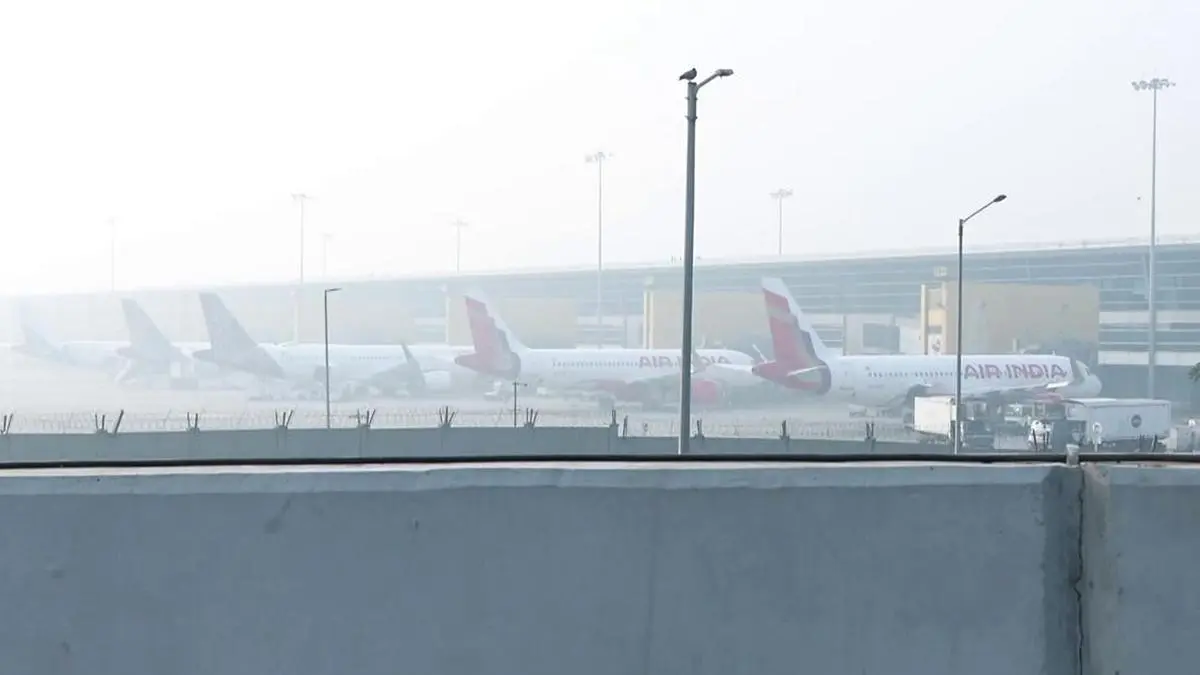
Airlines Warn of Delays and Cancellations: What You Need to Know
Traveling by air has become a norm in today’s fast-paced world. It allows us to reach our destinations quickly and efficiently, making it an essential part of our lives. However, with the recent announcement from various airlines about potential delays and cancellations, travelers are left wondering about the impact it will have on their travel plans. In this article, we will discuss the reasons behind these warnings and what steps you can take to minimize any inconvenience.
Firstly, it is important to understand that these warnings are not meant to cause panic or discourage people from traveling. They are simply a precautionary measure by the airlines to inform their customers about potential disruptions. One of the main reasons for these delays and cancellations is the ongoing shortage of pilots and crew members. With the increase in demand for air travel, airlines are struggling to find enough qualified personnel to operate their flights. This shortage has been exacerbated by the pandemic, which has led to many pilots and crew members being furloughed or retiring early.
Moreover, the recent surge in COVID-19 cases in many countries has resulted in stricter travel restrictions and border closures. This has forced airlines to cancel or reduce their flights to certain destinations, causing delays and disruptions for travelers. Additionally, the unpredictable nature of the pandemic has made it challenging for airlines to plan and operate their flights smoothly.
Another factor contributing to the delays and cancellations is the severe weather conditions in some parts of the world. The ongoing hurricane season and extreme heatwaves have caused flight disruptions, leading to delays and cancellations. These weather-related issues are beyond the control of airlines, and they are doing their best to minimize the impact on their customers.
So, what can you do to avoid or minimize the inconvenience caused by these warnings? The key is to stay informed and plan ahead. Keep a close eye on your flight status and any updates from the airline. In case of any changes, the airline will inform you via email or text message. Make sure to provide your contact information while booking your ticket to receive these updates. It is also advisable to check the airline’s website or social media pages for any announcements or updates.
If your flight is canceled or delayed, do not panic. Contact the airline’s customer service and inquire about your options. Most airlines have policies in place to accommodate their customers in such situations. They may offer you an alternative flight or provide a refund or credit for future travel. It is crucial to remain calm and patient while dealing with the airline’s customer service representatives, as they are also facing a challenging situation.
In case you have a connecting flight, it is advisable to book them with the same airline to avoid any complications. If you have booked your flights separately, make sure to leave enough time between the flights to account for any delays. It is also a good idea to have travel insurance that covers flight cancellations and delays.
As travelers, we must also understand that these delays and cancellations are beyond the control of the airlines. They are doing their best to navigate through these challenging times and provide a safe and comfortable travel experience for their customers. We must show patience and understanding towards the airline staff and follow all safety protocols while traveling.
In conclusion, while the recent warnings from airlines about delays and cancellations may cause some inconvenience, it is essential to remember that they are for our safety and well-being. By staying informed and planning ahead, we can minimize the impact on our travel plans. Let us continue to support the airline industry and look forward to a time when we can travel without any disruptions. Happy travels!