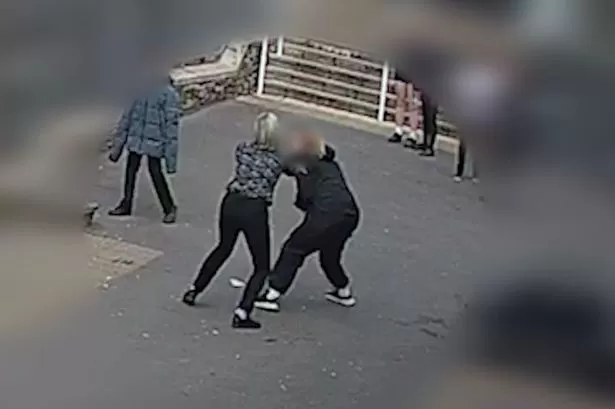
The use of video evidence in the court of law has become increasingly prevalent in recent years. With the advancement of technology, it has become easier for individuals to capture and share videos, making it a valuable tool in the justice system. However, with this rise in usage, a vast number of troubling cases involving video evidence have also emerged, posing challenges for both the prosecution and the defense.
Video evidence has been a game-changer in the courtroom. It provides a visual representation of events, which can be more compelling and persuasive than oral testimonies. It also allows the judge and the jury to see the evidence firsthand, eliminating any doubts or misinterpretations. This has undoubtedly led to the conviction of many criminals who would have otherwise gone unpunished.
However, the use of video evidence is not without its challenges. In recent years, numerous cases have come to light where the authenticity and reliability of the video footage have been called into question. In some instances, videos have been doctored or manipulated, leading to wrongful convictions. This has raised concerns about the impact of technology on the justice system and the need for proper protocols and procedures to ensure the integrity of video evidence.
One of the most high-profile cases involving video evidence is the 2015 shooting of Walter Scott by a police officer in South Carolina, USA. The incident, which was captured on a bystander’s cellphone, showed the officer shooting Scott in the back while he was running away. The video sparked a national outcry and led to the conviction of the police officer for murder. This case highlighted the power of video evidence in exposing and bringing justice to cases of police brutality.
Similarly, in 2013, a video of a woman being sexually assaulted on a bus in India went viral, leading to the arrest and conviction of the perpetrators. The video, which was recorded on a mobile phone, served as the primary evidence in the case and played a crucial role in securing justice for the victim. This case also sparked a nationwide debate on the safety of women in public spaces and the importance of video evidence in addressing such crimes.
However, the misuse of video evidence is not limited to criminal cases. In family court, videos have been used to support claims of domestic violence or child abuse, leading to custody battles and strained relationships. In some instances, videos have been taken out of context or edited to portray a false narrative, creating complications for the court to make a fair judgement. This has raised concerns about the impact of video evidence on personal relationships and the need for careful consideration of its usage in family court.
Moreover, the use of video evidence has also raised questions about privacy and consent. In some cases, videos have been recorded without the knowledge or consent of the parties involved, leading to legal battles over the admissibility of such evidence. This has highlighted the need for clear guidelines and laws regarding the recording and usage of videos in legal proceedings.
Despite these challenges, video evidence remains a crucial tool in the pursuit of justice. It has the potential to provide a more accurate and unbiased account of events, especially in cases where there are conflicting testimonies or lack of physical evidence. With proper regulations and protocols in place, video evidence can serve as a valuable asset in the courtroom and aid in the delivery of fair and just verdicts.
In recent years, advancements in technology, such as high-definition cameras and drones, have made it easier to capture and produce high-quality videos. This has also led to an increase in the usage of video evidence in court cases. As a result, the legal system must be able to adapt and evolve to keep up with these changes. This includes providing proper training to lawyers and judges on how to handle video evidence and ensuring that the rights of the parties involved are protected.
In conclusion, the rise in the use of video evidence in the court of law has been a game-changer in the pursuit of justice. It has helped in convicting criminals, exposing injustices, and bringing closure to victims and their families. However, it is essential to address the challenges that come with its usage and ensure that it is used responsibly and ethically. With the proper regulations and protocols in place, video evidence can continue to be a valuable tool in the courtroom and aid in the delivery of fair and just verdicts.