Lawsuits Target Democratic Republic of Congo’s Mineral Conflict and Humanitarian Crisis
The Democratic Republic of Congo (DRC) has long been known for its rich reserves of minerals, including gold, diamonds, and coltan, which is used in the production of many consumer-technology products. However, these valuable resources have also been at the center of a bloody conflict and a massive humanitarian crisis that has plagued the country for decades.
In recent years, there has been a growing focus on the DRC’s mineral conflict and its devastating impact on the country’s people and economy. This has led to a series of lawsuits against major tech companies and their suppliers, who have been accused of fueling the conflict by sourcing minerals from mines controlled by armed groups.
The DRC’s mineral conflict dates back to the 1990s when the country was embroiled in a civil war. Rebel groups and foreign militias took control of mineral-rich areas, using the profits from the sale of these minerals to fund their activities. This not only perpetuated the conflict but also led to widespread human rights abuses, including forced labor, child labor, and sexual violence.
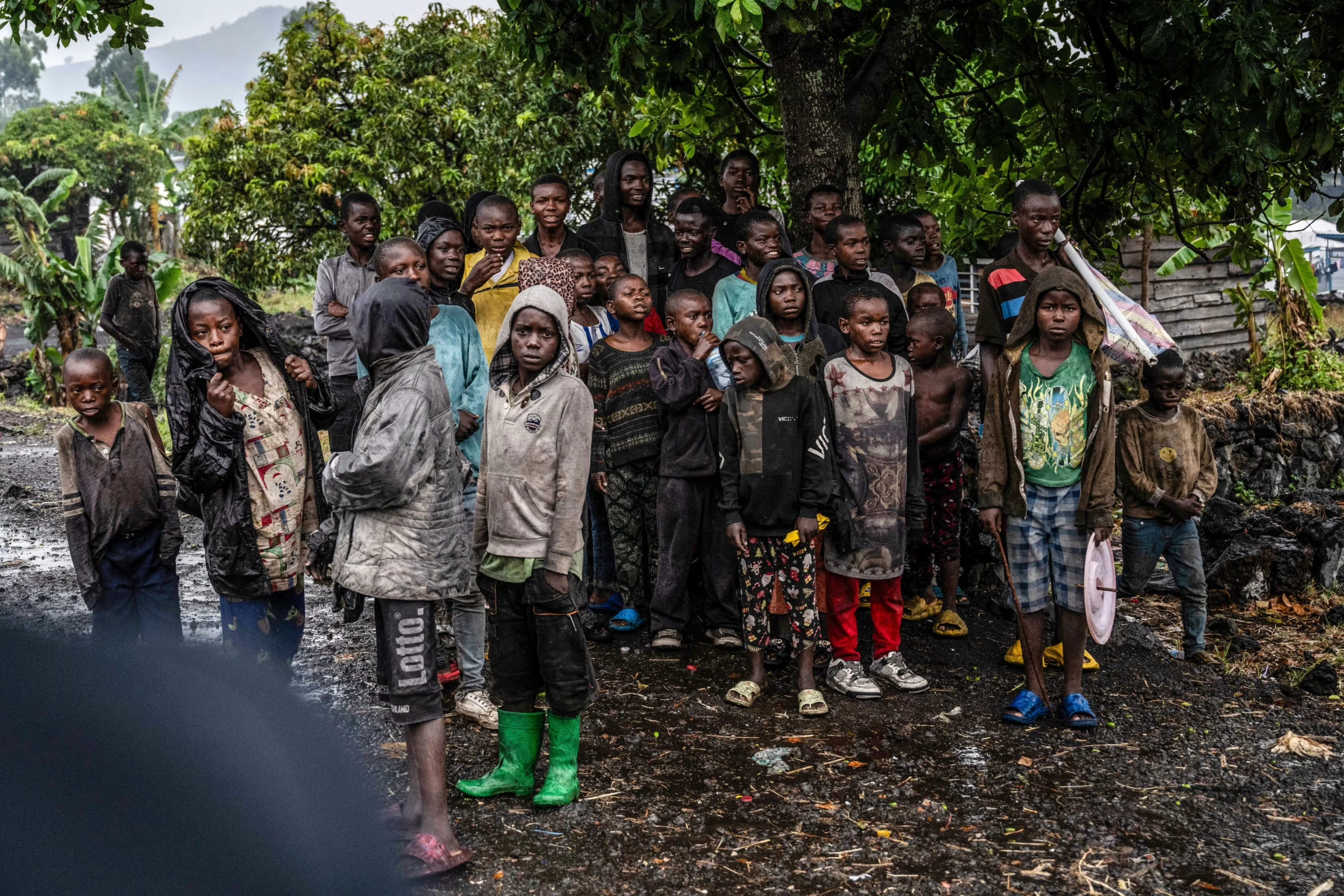
Despite efforts by the DRC government and the international community to address the issue, the conflict and its consequences continue to this day. The United Nations estimates that over 5 million people have died as a result of the conflict, making it one of the deadliest in modern history. Millions more have been displaced from their homes, and the country’s economy has been severely impacted.
In recent years, the focus has shifted to the role of tech companies in perpetuating the conflict. These companies rely heavily on minerals sourced from the DRC for their products, and it has been alleged that they have turned a blind eye to the human rights abuses and conflict in the region in order to maintain a steady supply of these minerals.
As a result, several lawsuits have been filed against major tech companies, including Apple, Google, and Microsoft, for their alleged involvement in the DRC’s mineral conflict. These lawsuits have been brought by human rights organizations and Congolese citizens who have been directly affected by the conflict.
The lawsuits have brought much-needed attention to the issue and have put pressure on tech companies to take responsibility for their supply chains. In response, many companies have taken steps to ensure that their minerals are ethically sourced, and have implemented stricter guidelines for their suppliers.
However, there is still much work to be done. The DRC’s mineral conflict is a complex issue that cannot be solved overnight. It requires a multi-faceted approach that involves not only the tech companies but also the DRC government, international organizations, and local communities.
One positive development is the implementation of the Dodd-Frank Act in the United States, which requires companies to disclose the use of conflict minerals in their products. This has led to greater transparency and accountability in the supply chain and has helped to reduce the demand for conflict minerals.
In addition, there have been efforts to develop alternative sources of minerals, such as recycling and responsible mining practices, which could help reduce the reliance on conflict minerals from the DRC.
It is also crucial for the DRC government to take a more active role in regulating the mining industry and ensuring that the profits from mineral extraction benefit the country’s people. This includes implementing stricter laws and regulations, as well as investing in infrastructure and social programs in mining communities.
The lawsuits against tech companies have shed light on the devastating impact of the DRC’s mineral conflict and have sparked important conversations about ethical sourcing and responsible business practices. It is a step in the right direction, but more needs to be done to bring an end to the conflict and alleviate the suffering of the Congolese people.
In conclusion, the DRC’s mineral conflict and humanitarian crisis are complex issues that require a collaborative effort from all stakeholders. The lawsuits against tech companies have brought much-needed attention to the issue and have pushed for greater accountability and responsibility in the supply chain. It is our hope that these efforts will lead to a more sustainable and ethical sourcing of minerals in the DRC, and ultimately, a brighter future for the country and its people.