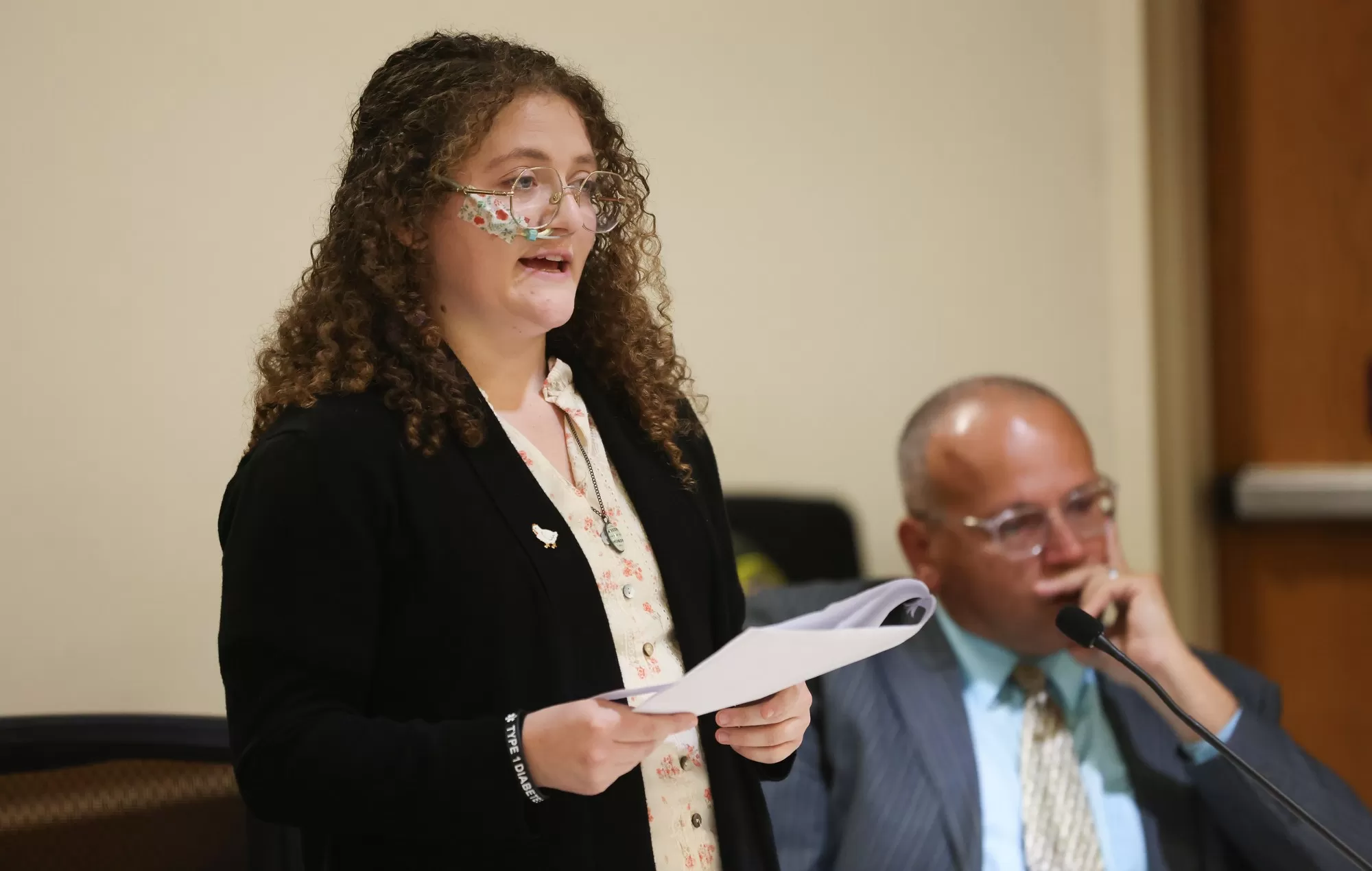
The sentencing of animal rights activist Wayne Rosenberg has finally brought an end to a nearly two-year court battle over his actions at Petaluma Poultry. This has also sparked a broader debate over the controversial tactics used by Direct Action Everywhere (DxE) in Sonoma County.
Rosenberg, a member of DxE, was convicted of felony grand theft and misdemeanor vandalism for his involvement in a protest at Petaluma Poultry in 2018. During the protest, Rosenberg and other activists entered the facility and removed several chickens, claiming they were rescuing them from inhumane conditions.
The incident caused a stir in the community and sparked a heated debate about the methods used by DxE in their animal rights advocacy. While some praised their bold actions, others condemned them for breaking the law and causing disruption to businesses.
After months of legal proceedings, Rosenberg was finally sentenced to three years of probation and ordered to pay restitution to Petaluma Poultry. The sentencing has been met with mixed reactions, with some feeling that it was too lenient while others believe it was a harsh punishment for a peaceful protest.
One thing is for sure, this case has brought to light the ongoing tension between animal rights activists and the agriculture industry in Sonoma County. While both sides have valid arguments, it is clear that there needs to be a better understanding and communication between them.
DxE, as an organization, has been criticized for their disruptive tactics. However, they have also brought attention to important issues surrounding animal welfare in the agriculture industry. Their bold actions have shed light on the conditions that animals face in factory farms and have forced people to question the ethics of consuming animal products.
On the other hand, the agriculture industry has argued that DxE’s actions are not only illegal but also harmful to their businesses. They have accused the activists of spreading misinformation and causing financial losses to their farms. However, it cannot be denied that some of the footage captured by DxE during their investigations has revealed shocking and disturbing practices in the industry.
The court case of Rosenberg has also brought to the forefront the issue of whistleblower protection. While many states have laws that protect employees from retaliation for reporting illegal activities in the workplace, the agriculture industry has been exempt from these laws. This has made it difficult for activists like Rosenberg to expose animal cruelty without fear of legal repercussions.
However, regardless of the differing opinions on DxE’s tactics and the agriculture industry, it is important to acknowledge that this case has sparked a much-needed conversation about animal welfare and the ethics of the food industry.
In the end, it is not about pointing fingers or placing blame, but about finding solutions. Both sides need to come together and have an open dialogue to address the issues surrounding animal welfare and find a common ground that benefits both animals and the agriculture industry.
The sentencing of Rosenberg may mark the end of a legal battle, but it should also serve as a reminder of the need for compassion, understanding, and effective communication. It is only through working together that we can create a more ethical and humane world for all beings.
In conclusion, the sentencing of Wayne Rosenberg has brought an end to a long and contentious court battle over his actions at Petaluma Poultry. While the debate over DxE’s tactics in Sonoma County continues, it is important to remember that this case has sparked a much-needed conversation about animal welfare and the food industry. Let us use this as an opportunity to come together and find solutions that benefit both animals and the agriculture industry.