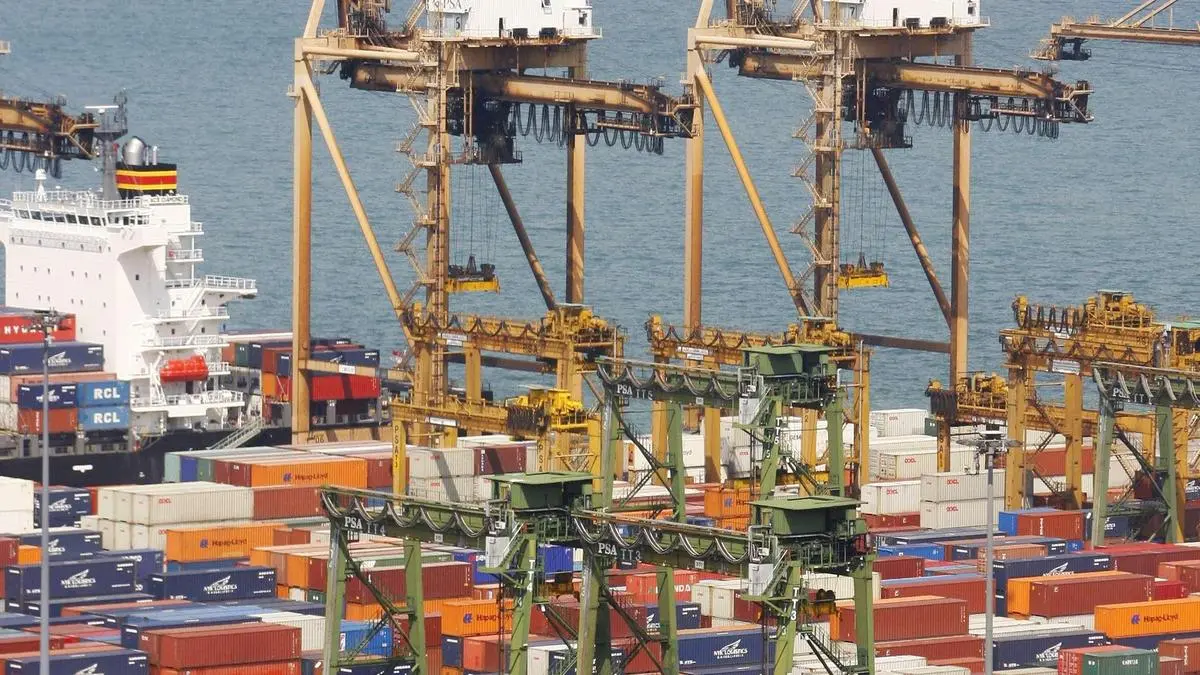
Singapore is a small island nation located in Southeast Asia, known for its vibrant economy and efficient infrastructure. Among its many achievements, one stands out in particular – Singapore is the top container port globally. This is a remarkable feat for a country with limited land area and resources. In this article, we will explore how Singapore has achieved this status and the impact it has on the global shipping industry.
Singapore’s journey to becoming the world’s leading container port began in the 1960s when the government recognized the potential of its strategic location. Situated at the crossroads of major shipping routes, Singapore was well-positioned to become a major hub for maritime trade. The government invested heavily in developing its port facilities and infrastructure, and the results are evident today.
Currently, Singapore’s port is managed by the world-renowned Port of Singapore Authority (PSA). With state-of-the-art technology and efficient processes, the PSA has transformed the port into a highly productive and competitive one. The port is equipped with advanced cranes, automated systems, and modern terminals, making it one of the most efficient and technologically advanced ports in the world.
One of the key factors that have contributed to Singapore’s success as a container port is its strategic location. The country is situated along major shipping routes, connecting Asia to Europe, the Middle East, and the Americas. This makes it an ideal transshipment hub for cargo from various parts of the world. Furthermore, Singapore’s location allows for easy access to major markets in the region, making it a preferred choice for shipping companies.
Apart from its location, Singapore’s efficient and transparent customs procedures have also played a crucial role in its success. The country has implemented a single-window system, allowing for faster clearance of goods and reducing the time and cost of doing business. This has made Singapore an attractive destination for international trade, with many companies choosing to establish their regional headquarters here.
Singapore’s commitment to innovation and sustainability has also contributed to its success as a container port. The country is constantly investing in research and development to improve its port operations and reduce its environmental impact. For instance, the PSA has implemented a green port policy, which includes the use of alternative energy sources and the adoption of eco-friendly practices. This not only benefits the environment but also makes Singapore’s port more competitive in the long run.
Another significant factor that has propelled Singapore to the top spot is the government’s pro-business policies. The country has a stable political climate, a skilled workforce, and a business-friendly environment, making it an attractive destination for foreign investments. The government has also implemented various incentives and initiatives to support the growth of the maritime industry, such as the Maritime and Port Authority of Singapore (MPA) Fund, which provides funding for research and development projects in the maritime sector.
The impact of Singapore’s top container port status goes beyond its borders. As a leading transshipment hub, Singapore’s port plays a crucial role in facilitating global trade. It has helped to connect businesses and markets from different parts of the world, contributing to the growth of the global economy. The efficient and reliable operations of the port have also earned the trust of shipping companies, making it a preferred choice for them.
Furthermore, Singapore’s top container port status has also brought significant economic benefits to the country. The maritime industry contributes around 7% to Singapore’s GDP and employs more than 170,000 people. With the growth of the port, there has been an increase in job opportunities and economic activities, benefiting the local community.
In conclusion, Singapore’s journey to becoming the top container port globally is a testament to its determination and hard work. The country has leveraged its strategic location, efficient processes, and commitment to innovation and sustainability to achieve this status. Its success has not only benefited the country but also the global shipping industry. As Singapore continues to invest in its port facilities and infrastructure, we can expect it to maintain its position as the world’s leading container port for years to come.