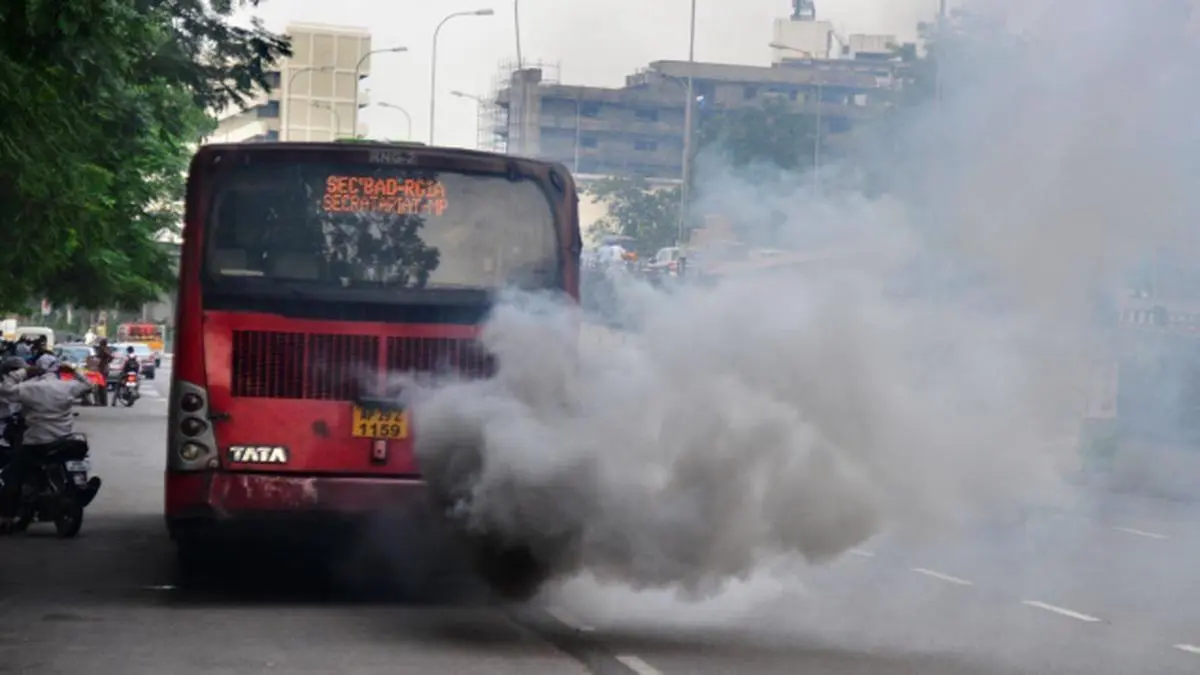
In an effort to promote sustainable transportation and reduce air pollution, the government has recently revised the charges for vehicles in our country. This new policy aims to encourage the use of newer and more environmentally-friendly vehicles, while also addressing the issue of aging and poorly maintained vehicles on our roads.
Under the revised charges, vehicles will now be classified into three age categories: 10–15 years, 15–20 years, and above 20 years. This move is a step in the right direction towards creating a more efficient and cleaner transportation system.
The first category, which includes vehicles that are 10-15 years old, will see a slight increase in charges. This is to encourage owners to consider replacing their vehicles with newer models that are more fuel-efficient and emit less harmful pollutants. With advancements in technology, newer vehicles have become more affordable and accessible, making it easier for people to upgrade their vehicles.
For vehicles that fall under the 15-20 years age category, the charges will remain the same as before. However, owners of these vehicles are encouraged to consider replacing them with newer models in the near future. This will not only benefit the environment but also provide them with a more reliable and efficient means of transportation.
The third and final category, which includes vehicles above 20 years old, will see a significant increase in charges. This is to discourage the use of these vehicles and to push for their replacement with newer and more eco-friendly options. Vehicles in this category are often inefficient and contribute greatly to air pollution. By increasing the charges, the government is sending a strong message to owners to consider upgrading their vehicles or opt for alternative modes of transportation.
It is important to note that the revised charges are not meant to burden vehicle owners but rather to encourage them to make more environmentally-conscious decisions. The government is also taking steps to provide incentives and subsidies for those who choose to switch to electric or hybrid vehicles. This will not only reduce air pollution but also promote the use of sustainable energy sources.
In addition to promoting sustainable transportation, the revised charges will also have a positive impact on road safety. Older vehicles are more prone to breakdowns and accidents, which not only puts the driver at risk but also endangers other road users. By encouraging the use of newer vehicles, the government is taking a proactive approach towards creating a safer and more efficient transportation system.
Moreover, the revised charges will also have a positive impact on the economy. By promoting the use of newer and more efficient vehicles, there will be a decrease in fuel consumption, which will in turn reduce our dependence on imported oil. This will not only save the country money but also reduce our carbon footprint.
It is also important to mention that the government is taking steps to ensure that the revised charges do not have a negative impact on lower-income individuals. Special consideration will be given to those who rely on older vehicles for their livelihood, such as public transportation vehicles. The government is also exploring options to provide financial assistance to those who may struggle with the increased charges.
In conclusion, the revised charges for vehicles are a step in the right direction towards creating a cleaner, safer, and more sustainable transportation system. It is a positive move that will not only benefit the environment but also have a positive impact on the economy and the well-being of our citizens. We must all work together to support this policy and make the necessary changes for a greener and healthier future.