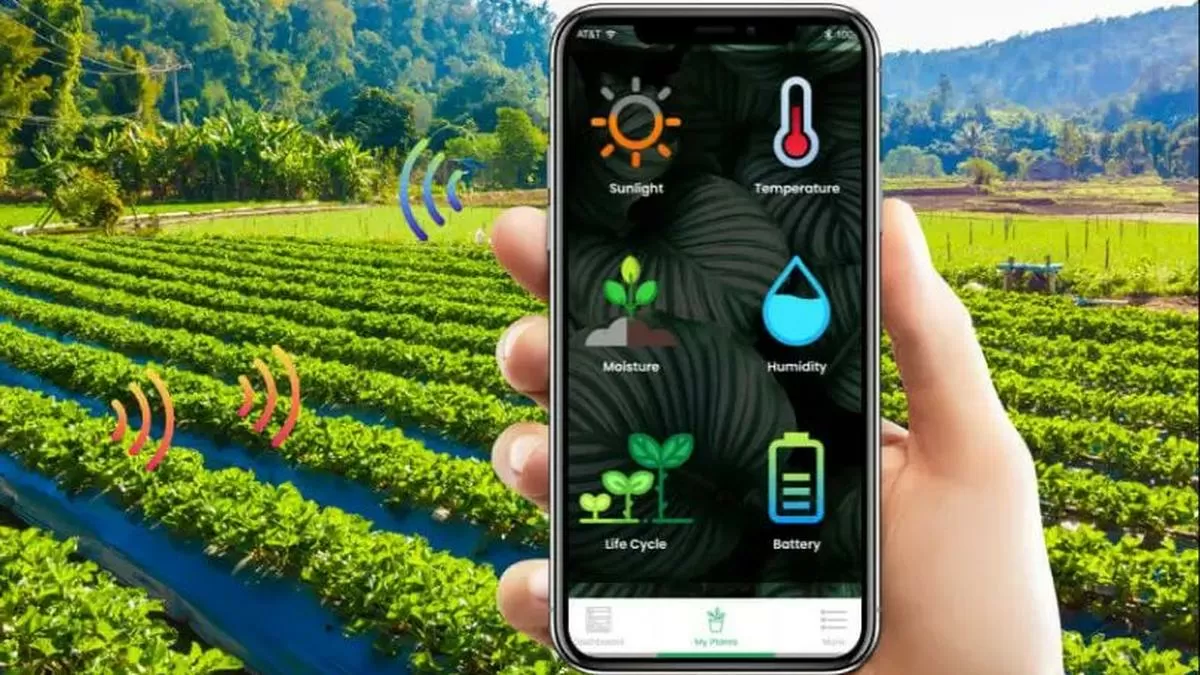
In recent years, agriculture has undergone a significant transformation with the help of technology. Gone are the days when farmers had to rely on traditional methods for soil testing, crop spraying, and weather forecasting. Now, they have access to a wide range of services that not only make their work easier but also increase their productivity. One of the key players in this transformation has been the emergence of State Farming Corporations (SFCs).
These SFCs have been set up with the aim of providing farmers with free access to various services such as soil testing, drone spraying, weather analytics, and insurance. These services are made available through partnerships with innovative startups like BharatRohan, Neoperk, Fyloo, Finhaat, and Farm Bridge. The primary goal of these collaborations is to bring technology to the hands of the farmers and equip them with the necessary tools to improve their yields and livelihoods.
One of the major services offered by these SFCs is soil testing. Soil testing is a crucial aspect of farming as it helps in determining the health and fertility of the soil. Through the partnership with startups like BharatRohan, farmers can now get their soil tested for free. This not only saves them the cost of testing but also helps them in making informed decisions about the type and quantity of fertilizers to be used. This, in turn, leads to better crop yields and efficient use of resources.
Another game-changing service offered by these SFCs is drone spraying. Traditional methods of crop spraying involve the use of manual sprayers, which can be tiring and time-consuming. With the help of drones, the process becomes more efficient and precise. The SFCs have tied up with Neoperk, a startup that specializes in drone spraying services, to provide this service to farmers at no cost. The drones are equipped with highly advanced technology that can identify crop diseases, pests, and weeds and provide targeted spraying, thus reducing the use of harmful chemicals and increasing the effectiveness of the spraying process.
Another key service that has been made accessible to farmers through these SFCs is weather analytics. In the agriculture sector, weather plays a crucial role in determining the success of a crop. With the help of advanced weather forecasting tools and data analysis provided by Fyloo, farmers can now plan their farming activities according to the weather patterns. This enables them to make informed decisions about sowing, spraying, and harvesting, thus reducing the risk of crop failure and increasing their profits.
The partnership with Finhaat has enabled SFCs to provide farmers with crop insurance. Crop insurance is crucial for farmers, especially in times of adverse weather conditions or unforeseen circumstances that may lead to crop failure. Through this collaboration, farmers are provided with affordable and accessible insurance options that cover their crops against natural disasters, pests, and diseases. This not only provides financial security to the farmers but also encourages them to take risks and invest in new technologies and techniques that can improve their crop yields.
Another significant service provided by these SFCs is the Farm Bridge platform. This platform acts as a one-stop-shop for all the needs of a farmer, from buying seeds and fertilizers to selling their produce. It also provides them with access to customized crop advisory services that cater to their specific farming needs. The collaboration between SFCs and Farm Bridge has been instrumental in bridging the gap between farmers and the market, thus ensuring better prices for their produce and increasing their income.
In addition to these services, the SFCs also provide training and technical support to farmers. They organize workshops, seminars, and training programs to educate farmers about the latest farming techniques and technologies. This not only equips the farmers with the necessary skills but also helps them in keeping up with the ever-changing agriculture landscape.
The impact of these SFCs on the agriculture sector has been tremendous. It has not only enabled small and marginal farmers to adopt modern farming techniques but also helped in improving their incomes. By providing them access to the latest technology and services, these SFCs have made farming more sustainable, efficient, and profitable.
In conclusion, the partnership between SFCs and startups has revolutionized the agriculture sector in India. The efforts of these corporations in making technology accessible to farmers have not only improved their lives but also contributed to the growth of the agriculture sector. With the continued support and expansion of these collaborations, we can look forward to a future where Indian farmers will be at the forefront of technology-driven farming