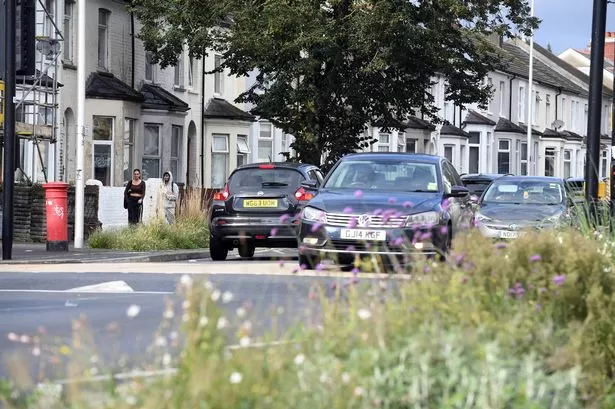
Cardiff Council has recently approved a new parking plan for the city in an effort to reduce commuter parking and promote more sustainable modes of travel. This decision comes after careful consideration and consultation with residents, businesses, and transportation experts. The plan aims to tackle the growing issue of congestion and pollution caused by the high volume of cars in the city.
Under the new parking plan, the council will introduce various measures to discourage commuters from driving into the city and encourage them to use alternative modes of transportation. This includes increasing the cost of parking permits for non-residents, implementing a workplace parking levy, and expanding the city’s public transportation network.
One of the main reasons for implementing this plan is to reduce the number of cars on the road and ease the traffic congestion in the city. It is a known fact that the more cars there are on the road, the slower the traffic flows, causing frustration and delays for both drivers and public transportation users. By reducing the number of cars on the road, we can improve the overall traffic flow and make commuting easier and more efficient for everyone.
Moreover, the increase in the cost of parking permits for non-residents will discourage people from driving into the city and instead opt for other modes of transportation such as walking, cycling, or using public transport. This will not only reduce the number of cars on the road but also help in reducing air pollution, making the city a healthier and more environmentally friendly place to live.
The workplace parking levy is another crucial aspect of the new parking plan. This levy will require employers to pay a fee for each parking space they provide to their employees. This will not only generate revenue for the council but also encourage employers to promote sustainable modes of transportation for their staff. By doing so, we can reduce the number of people driving to work and promote the use of public transportation, cycling, and walking.
In addition to these measures, the council will also be expanding the city’s public transportation network. This includes increasing the number of bus routes, improving the frequency and reliability of services, and introducing new and modern modes of transportation such as electric buses and trams. This will provide commuters with more options to travel around the city, reducing their reliance on cars.
The new parking plan has been met with positive responses from residents and businesses alike. Many residents have expressed their frustration with the increasing traffic and pollution in the city and are hopeful that this plan will bring about positive changes. Businesses have also welcomed the plan, as it will not only improve the overall traffic flow but also promote a healthier and more sustainable environment for their employees and customers.
Furthermore, this plan aligns with the council’s commitment to reducing carbon emissions and promoting sustainable living. By reducing the number of cars on the road, we can significantly contribute to the city’s efforts in becoming a more environmentally friendly and sustainable place to live.
In conclusion, the new parking plan approved by Cardiff Council is a step in the right direction towards creating a more livable and sustainable city. By reducing commuter parking and promoting alternative modes of transportation, we can improve the overall traffic flow, reduce air pollution, and create a healthier environment for all. The council is committed to monitoring and evaluating the effectiveness of this plan and making necessary adjustments to ensure its success. We urge all residents and businesses to support this plan and work together towards a greener and more sustainable future for Cardiff.