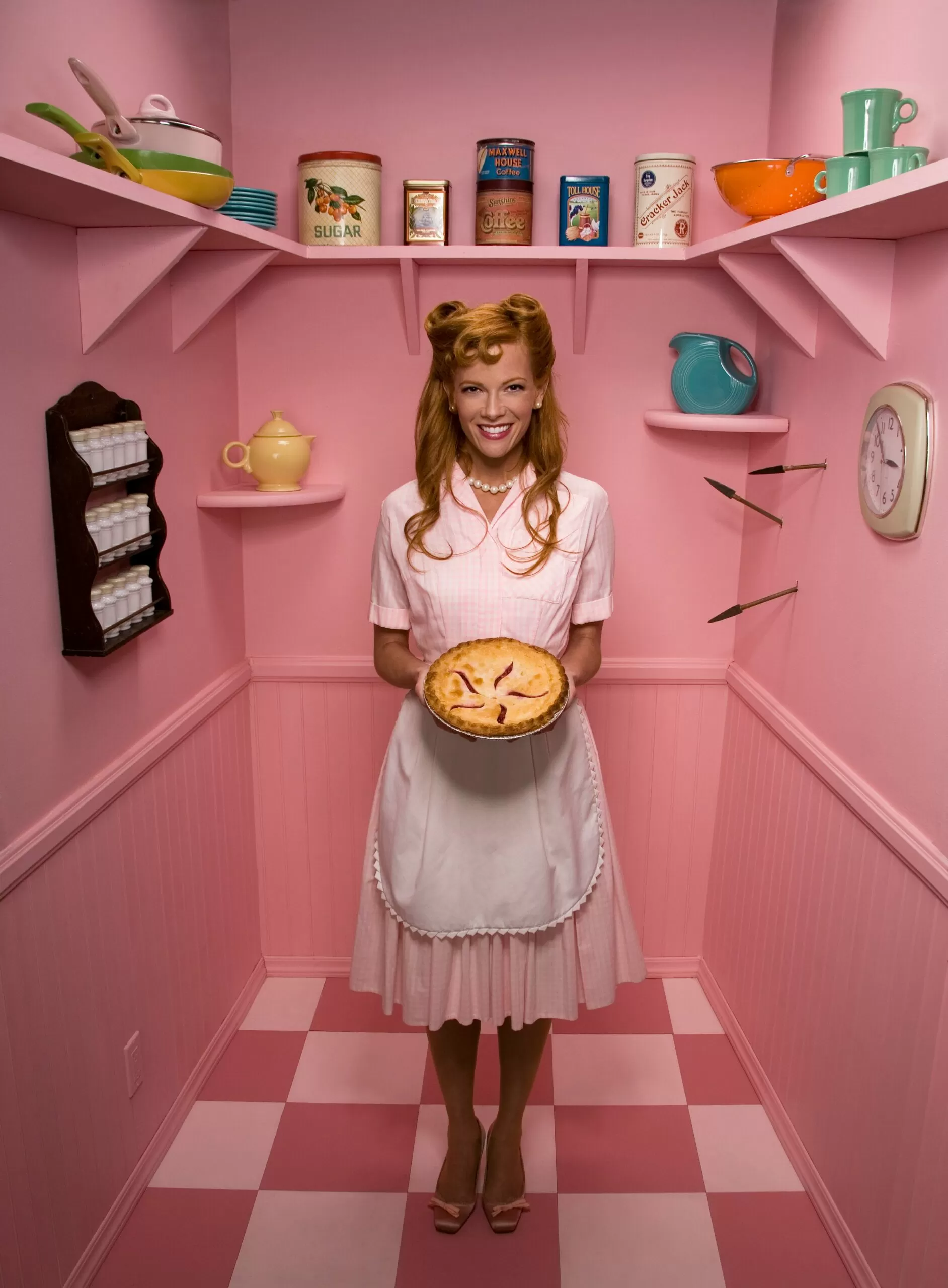
In the September edition of The Evidence, Josephine Lethbridge delves into the growing trend of the “tradwife” lifestyle and its connection to the far-right movement. This controversial lifestyle has gained attention in recent years, with many women choosing to embrace traditional gender roles and reject modern feminism. While some may see this as a harmless personal choice, Lethbridge argues that it is important to examine the underlying ideologies and potential consequences of this lifestyle.
The term “tradwife” is a shortened form of “traditional wife” and refers to women who prioritize homemaking and child-rearing over pursuing a career or other interests outside of the home. These women often adhere to strict gender roles, with the husband as the breadwinner and the wife as the homemaker. This lifestyle has gained popularity through social media platforms, with hashtags like #tradwife and #tradlife gaining thousands of followers.
At first glance, the tradwife lifestyle may seem like a personal choice that should be respected. After all, feminism is about giving women the freedom to make their own choices, right? However, Lethbridge argues that this lifestyle is not as innocent as it may seem. In fact, it is deeply rooted in far-right ideologies and has the potential to harm both women and society as a whole.
One of the main concerns with the tradwife lifestyle is its connection to the far-right movement. Many of the women who embrace this lifestyle also hold far-right beliefs, including white supremacy and anti-immigration sentiments. This is evident in the online communities and forums where tradwives gather, with discussions often revolving around preserving traditional Western values and protecting the white race. This raises the question – is the tradwife lifestyle simply a personal choice, or is it a way for far-right ideologies to gain a foothold in mainstream society?
Furthermore, the tradwife lifestyle perpetuates harmful gender stereotypes and reinforces the idea that a woman’s place is in the home. By promoting traditional gender roles, it limits women’s opportunities and reinforces the idea that their worth is solely based on their ability to be a good wife and mother. This not only restricts women’s personal growth and potential, but it also sends a damaging message to young girls about their value and worth in society.
Moreover, the tradwife lifestyle can have negative consequences for women’s financial independence and security. By prioritizing homemaking over pursuing a career, women may become financially dependent on their husbands. This can leave them vulnerable in the event of divorce or their husband’s death, as they may not have the skills or resources to support themselves and their children. This is especially concerning given the high rates of domestic violence and abuse that exist in traditional patriarchal households.
It is also important to consider the impact of the tradwife lifestyle on society as a whole. By promoting traditional gender roles, it reinforces the idea that women are inferior to men and should be confined to the domestic sphere. This not only limits women’s potential but also perpetuates gender inequality and discrimination. It also sends a damaging message to men, who may feel pressure to conform to traditional masculine roles and may struggle with expressing their emotions and seeking help when needed.
In conclusion, while the tradwife lifestyle may seem like a personal choice, it is important to recognize the underlying ideologies and potential consequences associated with it. By promoting traditional gender roles and aligning with far-right beliefs, it not only limits women’s potential but also perpetuates harmful stereotypes and inequalities in society. As we continue to strive for gender equality and inclusivity, it is crucial to challenge and reject any lifestyle that seeks to restrict women’s rights and opportunities.