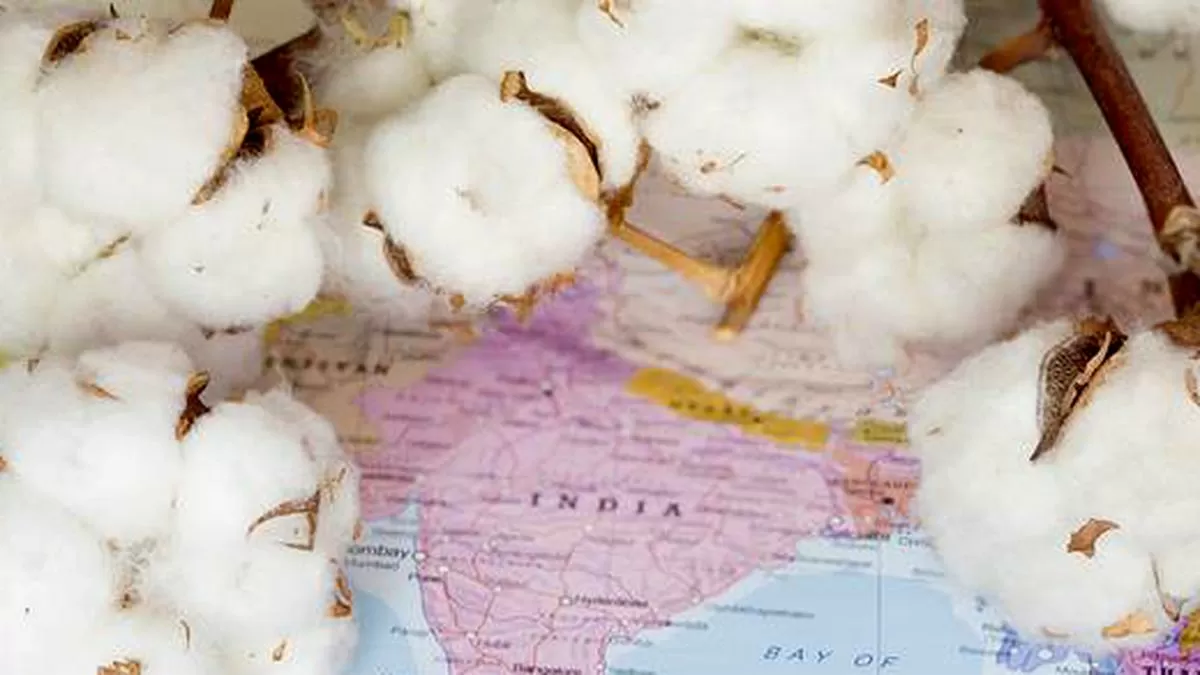
DGFT’s Move to Boost India’s Organic Textile Exports
In a major boost to India’s organic textile industry, the Directorate General of Foreign Trade (DGFT) has recently announced its decision to exempt organic textile products from mandatory certification requirements. This move comes after industry stakeholders, including the Apparel Export Promotion Council (AEPC) and the Textile Promotion Council (Texprocil/EXPROCIL), confirmed that India’s organic textile exports are already certified under globally recognized frameworks like the Global Organic Textile Standard (GOTS) and Textile Exchange.
The decision, which was announced through a notification dated 14th June 2021, is expected to benefit Indian exporters and boost the country’s organic textile exports in the global market. It also reinforces India’s commitment towards sustainability and a greener future.
Organic textiles are products made from materials that are produced without the use of toxic chemicals and follow strict environmental and social standards. These products are in high demand globally, as consumers become more conscious about the environmental and social impact of their purchases. India, being one of the largest producers of cotton and other organic fibers, has a huge potential to tap into this market.
India’s organic textile industry is already on a growth trajectory, with a reported annual growth rate of 25% in the last few years. The country exported organic textiles worth USD 526 million in 2019-20, which is expected to reach USD 600 million in 2021. With the exemption of mandatory certification requirements, this growth is expected to accelerate further, making India a key player in the global organic textile market.
The decision to exempt organic textile products from certification requirements was taken after consultations with industry stakeholders and experts. The AEPC, which represents over 8,000 apparel exporters in India, had highlighted the fact that most of the organic textile exports from India are already certified under internationally recognized standards like GOTS and Textile Exchange. Therefore, the mandatory certification requirement was redundant and added to the cost of exporters.
The Textile Promotion Council (Texprocil/EXPROCIL), which represents the export of cotton textiles, had also provided evidence that India’s organic cotton production is compliant with international certification standards. The exemption of certification requirements will provide a much-needed boost to the export of organic cotton textiles, which is expected to reach USD 1.5 billion by 2025.
The exemption of mandatory certification requirements for organic textile products is a step towards promoting ease of doing business in India. It will reduce the compliance burden on exporters, making it easier for them to tap into the growing global demand for organic textiles. This move is in line with the government’s vision of promoting sustainable and responsible production and trade.
India’s organic textile exports are certified under internationally recognized standards like GOTS and Textile Exchange, which ensure that the products are produced in an environmentally friendly and socially responsible manner. These certifications provide assurance to consumers that the products they are buying are organic and have been produced without harming the environment or exploiting workers.
GOTS is the leading standard for organic textiles, recognized by major international brands and retailers, and is a stringent certification that covers the entire production process from fiber to finished product. Textile Exchange, on the other hand, certifies organic cotton production, which accounts for a significant portion of India’s organic textile exports.
The DGFT’s decision to exempt organic textile products from mandatory certification requirements is a significant step towards promoting these products in the global market. It will also encourage more Indian textile manufacturers to adopt organic production practices, further boosting the country’s organic textile industry.
In conclusion, the DGFT’s move to exempt organic textile products from mandatory certification requirements is a welcome step that will benefit both exporters and the environment. It will not only promote ease of doing business but also boost India’s exports and contribute towards a sustainable and greener future. With this decision, India is set to become a major player in the global organic textile market, showcasing its commitment towards sustainability and responsible trade practices.