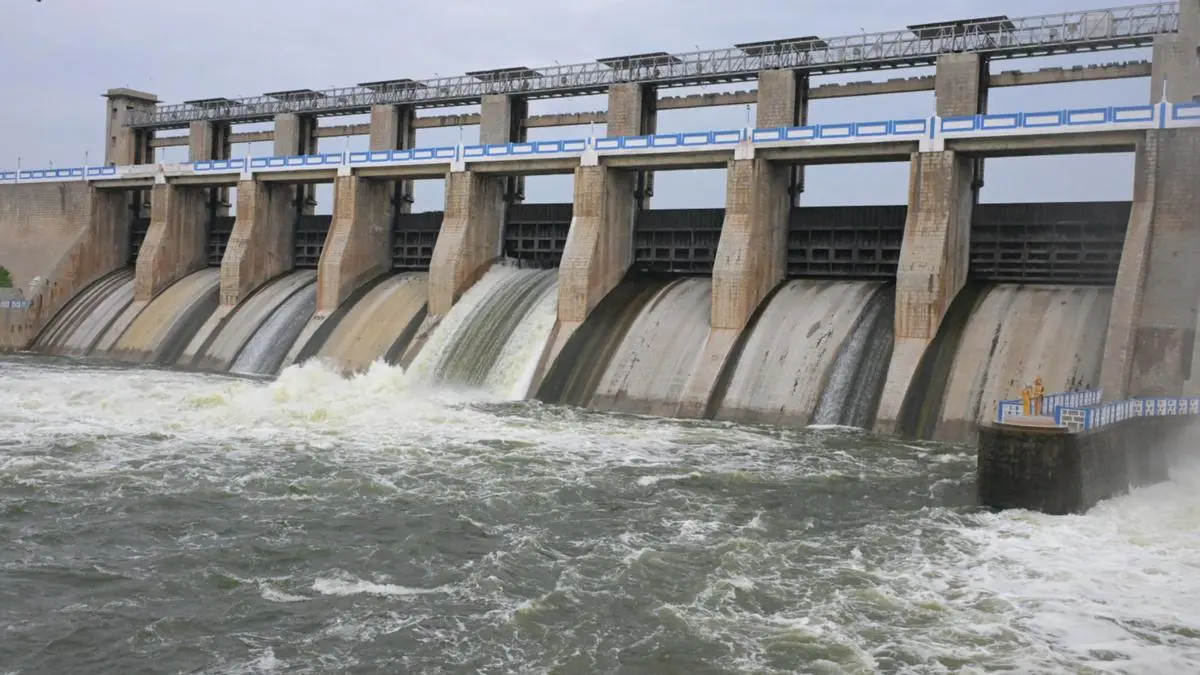
The monsoon season in India has always been a topic of great interest and concern. This year, however, the news is nothing short of a pleasant surprise. According to the latest reports, the country has received 12 per cent excess rainfall during the monsoon season, which has brought a much-needed respite from the scorching heat and water scarcity. This news has been welcomed with open arms by the citizens, especially the farmers, as it has brought a ray of hope for a better harvest and a brighter future.
The Indian Meteorological Department (IMD) has predicted a normal monsoon this year, but the actual figures have surpassed all expectations. The excess rainfall has been a result of multiple factors, including the timely onset of monsoon, low pressure systems, and cyclonic circulations. This has not only helped in replenishing the groundwater levels but has also filled up the reservoirs to their maximum capacity.
The five major reservoirs in the country, namely Bhakra, Pong, Ranjit Sagar, Thein, and Ravi-Beas, have reached their full capacity due to the heavy rainfall. This is a significant achievement, considering the fact that these reservoirs were facing a water shortage just a few months ago. The excess monsoon rainfall has not only helped in meeting the water demands of the people but has also provided a boost to the agricultural sector.
The agriculture sector, which is the backbone of our economy, has been struggling due to the water scarcity in the past few years. The excess rainfall has brought a sigh of relief for the farmers, who were facing a tough time due to the drought-like situation. The water levels in the reservoirs have ensured a steady supply of water for irrigation, which has resulted in a better yield of crops. This will not only benefit the farmers but will also have a positive impact on the overall economy of the country.
Apart from the agricultural sector, the excess rainfall has also brought a positive impact on the environment. The increase in the groundwater levels has led to the revival of dried-up lakes and ponds, which has helped in maintaining the ecological balance. The excess rainfall has also reduced the pollution levels in the air, making it easier for people to breathe and improving the overall air quality.
The excess monsoon rainfall has also brought a boost to the tourism industry. The scenic beauty of the country has been enhanced by the lush greenery and the gushing waterfalls, which has attracted a large number of tourists. This has not only provided a much-needed boost to the economy but has also helped in promoting the country as a popular tourist destination.
The excess rainfall has also brought a positive impact on the power sector. The water levels in the reservoirs have ensured a steady supply of water for hydropower generation, which has reduced the dependency on thermal power plants. This has not only reduced the carbon footprint but has also resulted in a significant reduction in electricity bills for the consumers.
The excess monsoon rainfall has been a blessing in disguise for the country. It has not only helped in meeting the water demands but has also brought a positive impact on various sectors of the economy. The timely onset of monsoon and the excess rainfall have proved to be a boon for the country, and we must make the most of it.
However, we must also be cautious and not let this excess rainfall go to waste. We must take necessary measures to conserve water and use it wisely. The excess rainfall should not make us complacent, but rather it should motivate us to work towards sustainable development and water conservation.
In conclusion, the 12 per cent excess monsoon rainfall has been a blessing for the country. It has brought a much-needed relief from the water scarcity and has filled up the reservoirs to their maximum capacity. This has not only benefited the agricultural sector but has also brought a positive impact on the environment, tourism, and power sector. Let us make the most of this opportunity and work towards a better and sustainable future for our country.