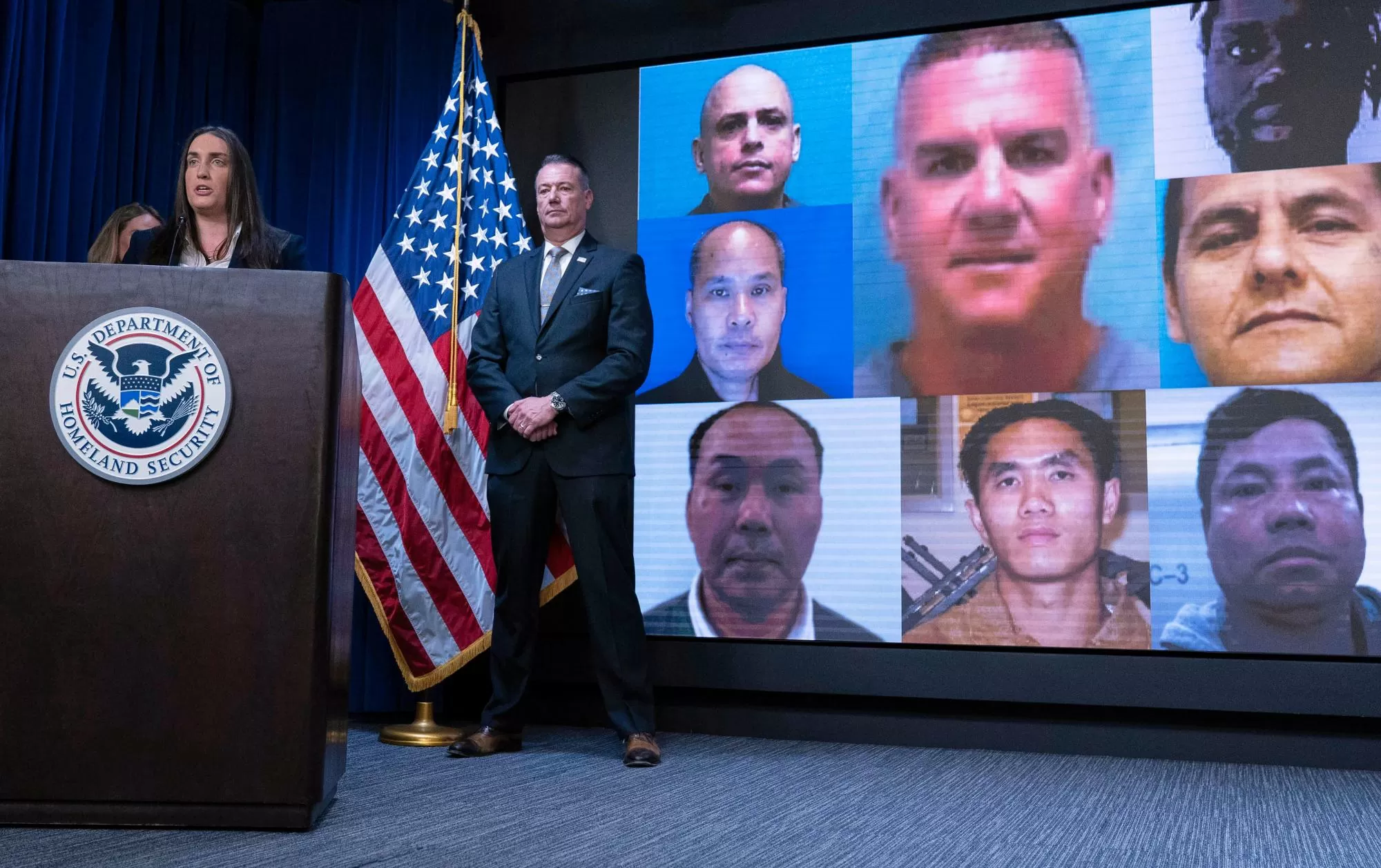
In a world where crime and violence seem to be on the rise, it is easy to lose faith in humanity. Every day, we are bombarded with news of heinous crimes committed by individuals who seem to have no regard for the law or the lives of others. It is easy to label these individuals as monsters and write them off as irredeemable. However, what if I told you that some of these individuals were once just like you and me? What if I told you that they too had dreams and aspirations, but somewhere along the way, they lost their way and ended up on the wrong side of the law? This may sound hard to believe, but the truth is, all are accused and convicted of crimes ranging from murder, to rape, robbery, and assault.
The justice system is designed to punish those who break the law and protect the innocent. However, it is not a perfect system, and sometimes, innocent people get caught in its web. On the other hand, there are also those who are guilty of the crimes they are accused of. They may have made a mistake, or they may have been driven to commit the crime due to circumstances beyond their control. Regardless of the reasons, the fact remains that they have been convicted and are now paying the price for their actions.
It is easy to condemn these individuals and brand them as criminals for the rest of their lives. However, what good does that do? Does it bring back the lives lost? Does it heal the wounds of the victims and their families? The answer is no. Instead, it perpetuates a cycle of hate and violence. It is time for us to break this cycle and look at these individuals with compassion and understanding. It is time to acknowledge that they too are human beings who have made mistakes and deserve a chance at redemption.
One of the most powerful tools for rehabilitation is education. Many prisons around the world have implemented educational programs to help inmates learn new skills and gain knowledge. These programs not only provide inmates with a sense of purpose and hope for the future but also equip them with the necessary skills to reintegrate into society once they are released. Studies have shown that inmates who participate in educational programs have a lower rate of recidivism, which means they are less likely to reoffend. This not only benefits the individual but also the community as a whole.
Another important aspect of rehabilitation is mental health support. Many inmates have underlying mental health issues that may have contributed to their criminal behavior. However, due to the stigma surrounding mental health, these issues often go undiagnosed and untreated. It is crucial for the justice system to provide inmates with access to mental health professionals who can help them address their issues and provide them with the necessary support and treatment. This will not only help the individual but also reduce the risk of future crimes.
It is also essential for society to play a role in the rehabilitation process. We must remember that these individuals will eventually be released back into our communities. Instead of shunning them and treating them as outcasts, we should welcome them with open arms and give them a chance to prove that they have changed. This does not mean that we should forget their past actions, but we should not let it define them for the rest of their lives. By providing them with support and opportunities, we can help them become productive members of society and break the cycle of crime.
In conclusion, it is easy to condemn and judge those who have been accused and convicted of crimes. However, it takes courage and compassion to see them as human beings who have made mistakes and deserve a chance at redemption. By providing them with education, mental health support, and a welcoming society, we can help them turn their lives around and contribute positively to our communities. Let us not forget that we are all capable of making mistakes, and it is only through forgiveness and understanding that we can truly move forward as a society.