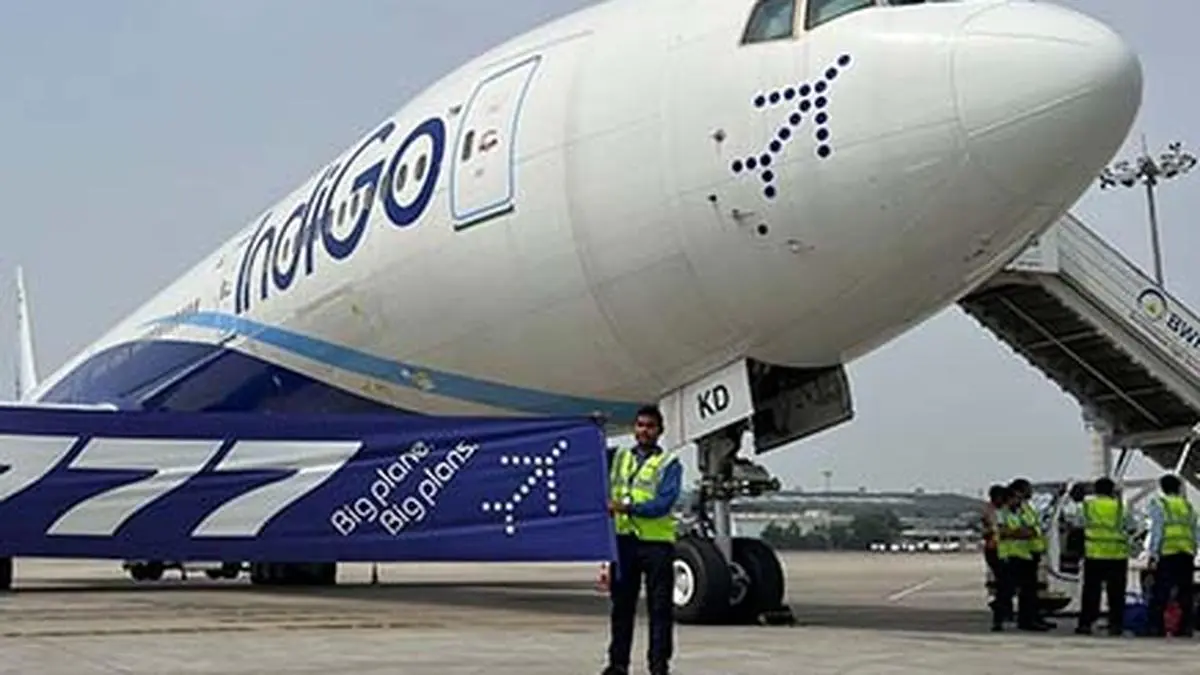
India has seen a commendable growth in its air passenger traffic over the past few years. According to the latest reports, the country’s air passenger traffic has maintained a steady growth of over 8% year-on-year (y-o-y). This is a significant achievement for the Indian aviation industry and reflects the growing demand for air travel in the country.
The statistics released by the Directorate General of Civil Aviation (DGCA) reveal that India’s domestic air passenger traffic reached 117 million in 2017, which is a steep rise from the 108 million recorded in the previous year. This consistent growth in the country’s air passenger traffic is a result of various factors such as a booming economy, increased disposable income, and affordable airfares.
One of the major contributing factors to this growth is the rapid expansion of low-cost carriers (LCCs) in the country. These airlines offer affordable airfares, making air travel a convenient and economical mode of transportation. This has opened up air travel to a larger section of the population, including the middle and lower-income groups. With the increasing competition among airlines, the airfares have become highly competitive, making it accessible for more people to experience air travel.
Another significant factor is the government’s efforts to promote regional connectivity through the UDAN (Ude Desh ka Aam Nagrik) scheme. Under this scheme, the government has initiated the development of smaller airports and connecting them with the bigger ones, making air travel more accessible to people in remote and underdeveloped regions of the country. This has not only increased air connectivity but has also boosted tourism and economic growth in these regions.
The Indian aviation industry has also witnessed a surge in international air passenger traffic, which has grown by 9.8% in 2017. This can be attributed to the increase in disposable income and the growing aspiration of Indian travelers to explore new destinations. The government’s decision to liberalize the country’s aviation policies and allow foreign airlines to invest in domestic carriers has also contributed to this growth. This has led to a rise in the number of international flights operating in India, providing more options for travelers.
The growth in air passenger traffic has also had a positive impact on the aviation sector, creating job opportunities, and fostering the development of related industries such as tourism and hospitality. It has also led to the growth of the country’s economy by boosting trade and improving connectivity between different cities.
Moreover, with the increasing emphasis on digitization, the Indian aviation industry has seen a significant improvement in its overall infrastructure and services. The introduction of e-tickets, web check-ins, and self-service kiosks have made air travel more efficient and convenient for passengers. This has also helped in reducing queues and wait times at airports, providing a hassle-free travel experience.
However, with the growth in air passenger traffic, the government and the aviation industry must also focus on maintaining the safety and security of passengers. With the increase in the number of flights and passengers, it is crucial to ensure that all safety regulations are strictly adhered to, to avoid any mishaps.
In conclusion, the growth in India’s air passenger traffic is a significant achievement and reflects the country’s economic progress. It is a result of various factors such as affordable airfares, improved infrastructure, and government initiatives to promote regional connectivity and foreign investment in the aviation sector. With the continuous growth in air travel, India’s aviation industry is poised to reach new heights and contribute significantly to the country’s overall development.