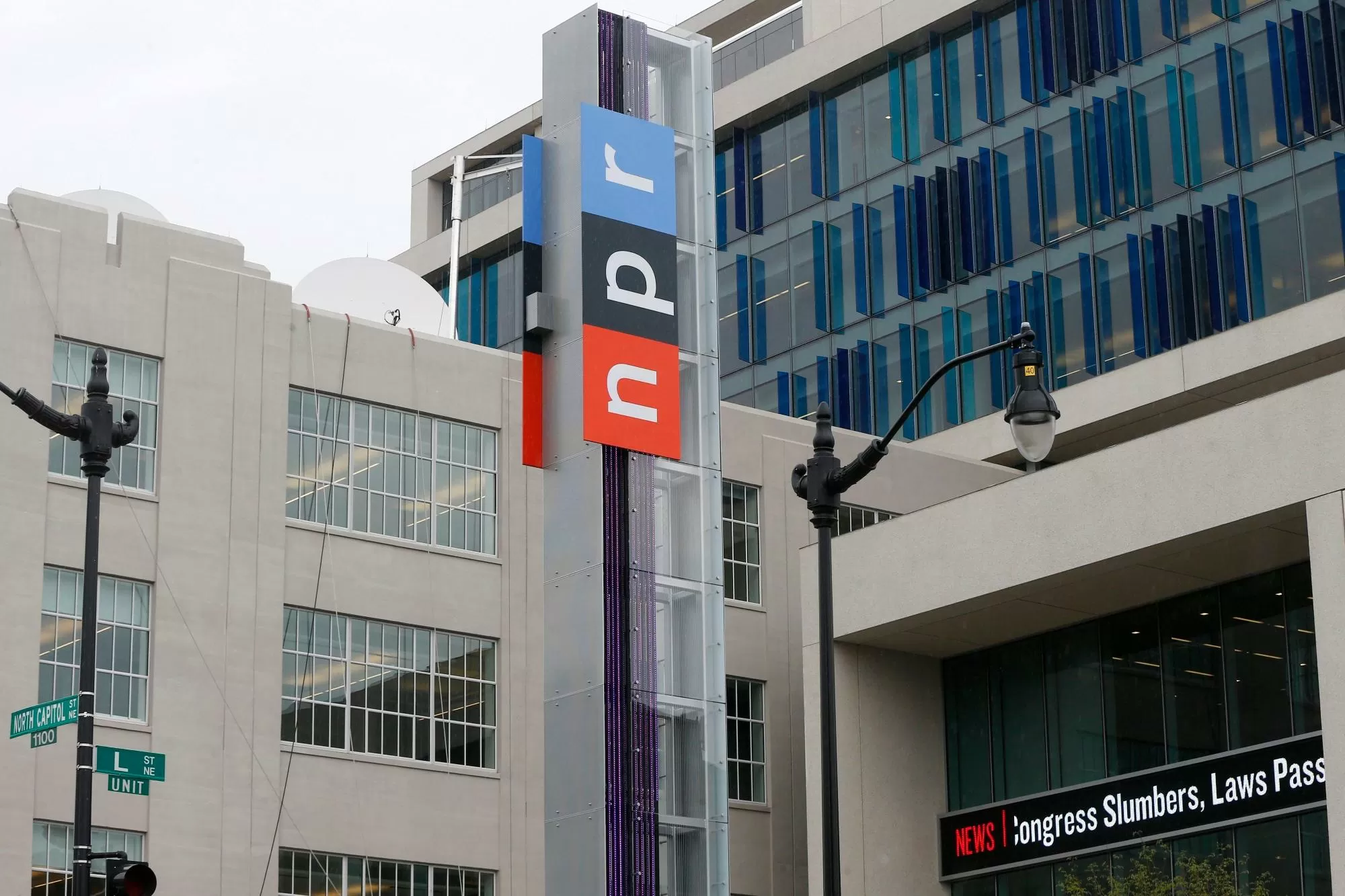
The nation’s public broadcasting system has been a cornerstone of our society for decades, providing quality programming and essential information to the public. However, in recent times, it has been facing a threat like never before. With the rise of new media and the changing landscape of technology, the future of public broadcasting is uncertain. It is a critical time for us to come together and address these challenges before it’s too late.
Since its establishment, the public broadcasting system has been a vital source of unbiased news, educational programs, and cultural content. It has played a significant role in shaping the minds of the public and promoting a well-informed society. However, with the rise of social media and streaming services, the traditional model of public broadcasting is facing fierce competition. The younger generation, in particular, is shifting towards digital platforms, posing a serious threat to the future of public broadcasting.
One of the major reasons for this shift is the lack of funding for public broadcasting. With the rise of private media and the commercialization of news, the government is reducing its support for public broadcasting. This has led to a decline in the quality of programming and a decrease in the reach of public broadcasting channels. As a result, people are turning to alternative sources for news and entertainment, which are often biased and lack the credibility of public broadcasting.
Moreover, the changing media landscape has also affected the revenue streams of public broadcasting. With the decline in traditional advertising, public broadcasting is struggling to generate enough revenue to sustain its operations. This has led to budget cuts and a decrease in the production of original content. As a result, the public broadcasting system is losing its relevance and appeal to the audience.
Another significant challenge facing public broadcasting is the lack of technological advancements. With the emergence of new technologies and platforms, public broadcasting has failed to keep up with the changing times. This has resulted in a gap between the audience and the content provided by public broadcasting, making it less attractive to the younger generation. To survive in this digital age, public broadcasting needs to embrace new technologies and adapt to the changing needs of the audience.
However, all hope is not lost. The nation’s public broadcasting system has a long history of resilience and adaptability. It has faced challenges in the past and has always come out stronger. It is now time for us to come together and support our public broadcasting system to overcome these challenges. We, as a society, must recognize the importance of public broadcasting and its role in promoting a well-informed and educated society.
To ensure the survival of public broadcasting, the government must increase its funding and support for this essential service. It is the responsibility of the government to provide adequate resources and a favorable regulatory environment for public broadcasting to thrive. Furthermore, public broadcasting must also look for alternative revenue streams and embrace new technologies to reach a wider audience.
The public also has a crucial role to play in supporting public broadcasting. We must recognize the value of public broadcasting and actively engage with its programs. We must also hold public broadcasting accountable for its content and encourage it to produce high-quality, relevant, and diverse programming.
In conclusion, the nation’s public broadcasting system is facing a significant threat to its existence, but it is not too late to save it. We must act now to secure the future of public broadcasting and ensure that it continues to serve as a vital source of information and entertainment for generations to come. Let us come together and support our public broadcasting system, for it is an integral part of our society and a symbol of our democracy.