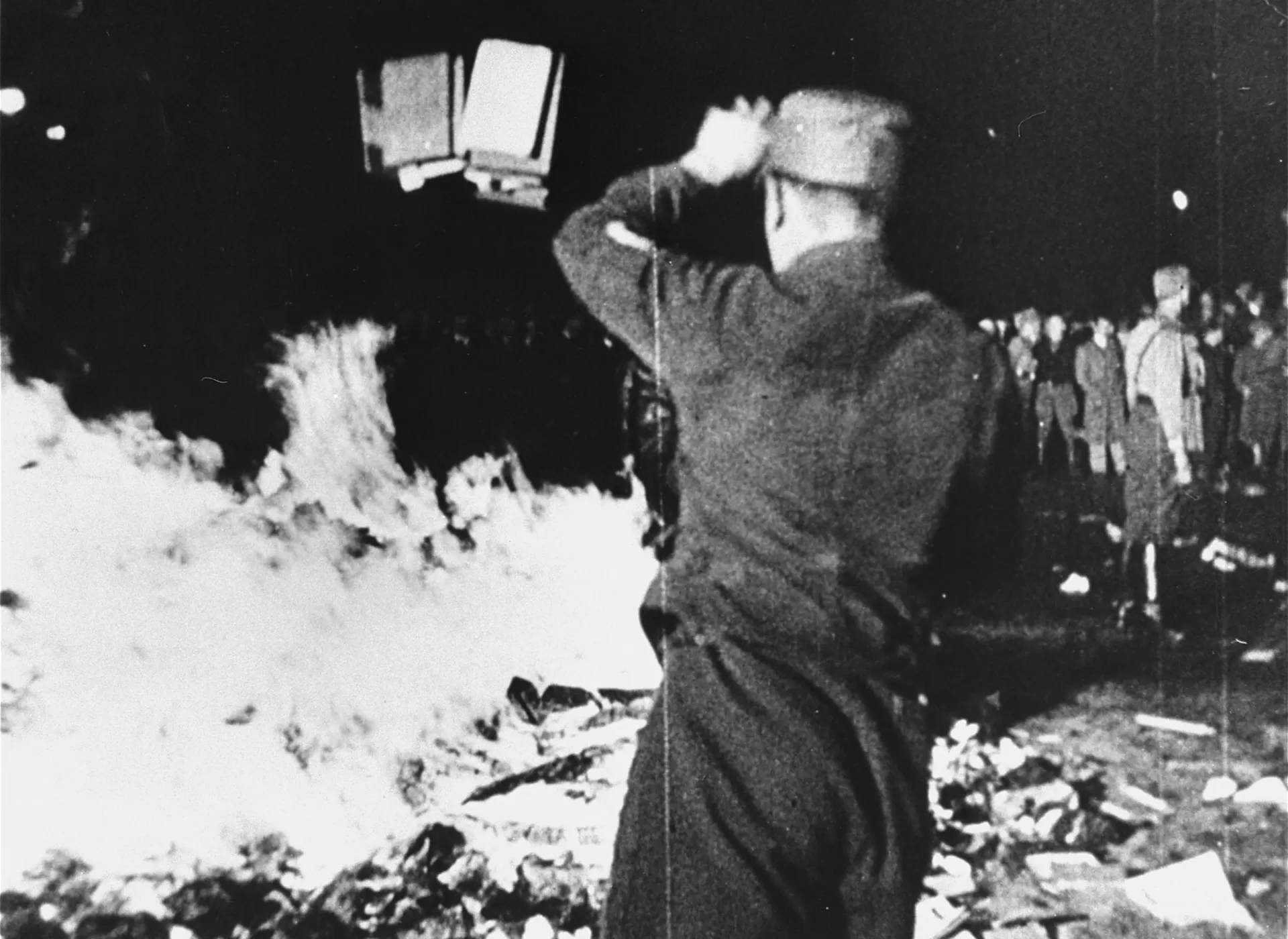
The power of words cannot be underestimated. They have the ability to shape our thoughts, influence our actions, and even define our reality. This is why the recent actions of the Trump administration in banning certain everyday words have caused concern among many. Renowned psychologist David Canter has delved into this issue, highlighting how words have become the frontline in the battle for minds.
In a recent article published on Social Science Space, Canter discusses the impact of the Trump administration’s decision to ban words such as “diversity,” “transgender,” and “fetus” from official documents and budget requests. This decision has sparked outrage and raised questions about the government’s attempt to control language and manipulate public perception.
Canter argues that this is not a new tactic. Throughout history, those in power have used language to shape public opinion and control the narrative. From propaganda during wartime to political speeches, words have been used as a powerful tool to sway the masses. However, the banning of words in this manner is a dangerous step towards limiting freedom of expression and thought.
But why are words so important? Canter explains that words hold meaning and power. They are the building blocks of our thoughts and beliefs. When certain words are banned, it limits our ability to express ourselves and understand complex issues. It also creates a sense of fear and censorship, as individuals may feel hesitant to use these banned words for fear of repercussions.
Moreover, the banning of words also reflects a larger issue of discrimination and oppression. By banning words like “diversity” and “transgender,” the Trump administration is silencing the voices and experiences of marginalized communities. It sends a message that their identities and struggles are not valid or important enough to be acknowledged.
Canter also points out that this tactic of banning words is not only harmful but also ineffective. It may temporarily suppress certain ideas, but it does not erase them. In fact, it often has the opposite effect, making these words and ideas even more powerful and significant. As Canter states, “Banning words only serves to highlight their importance and reinforces their impact.”
The War on Words is not just limited to the Trump administration. Canter highlights how words have been used in similar ways by other governments and organizations. For example, the Chinese government has banned words related to the Tiananmen Square massacre, and the tobacco industry has used euphemisms to downplay the harmful effects of smoking.
So, what can be done to combat this War on Words? Canter suggests that it is up to individuals to resist and challenge these attempts to control language. We must continue to use these banned words and stand up for our right to free expression. Additionally, we must also be critical of the language used by those in power and question their motives behind banning certain words.
In conclusion, the banning of everyday words by the Trump administration is a concerning move that highlights the importance of language in shaping our thoughts and perceptions. As Canter states, “Words are the frontline in the battle for minds, and we must defend them fiercely.” Let us continue to use our words to speak truth to power and uphold the values of freedom of expression and diversity.