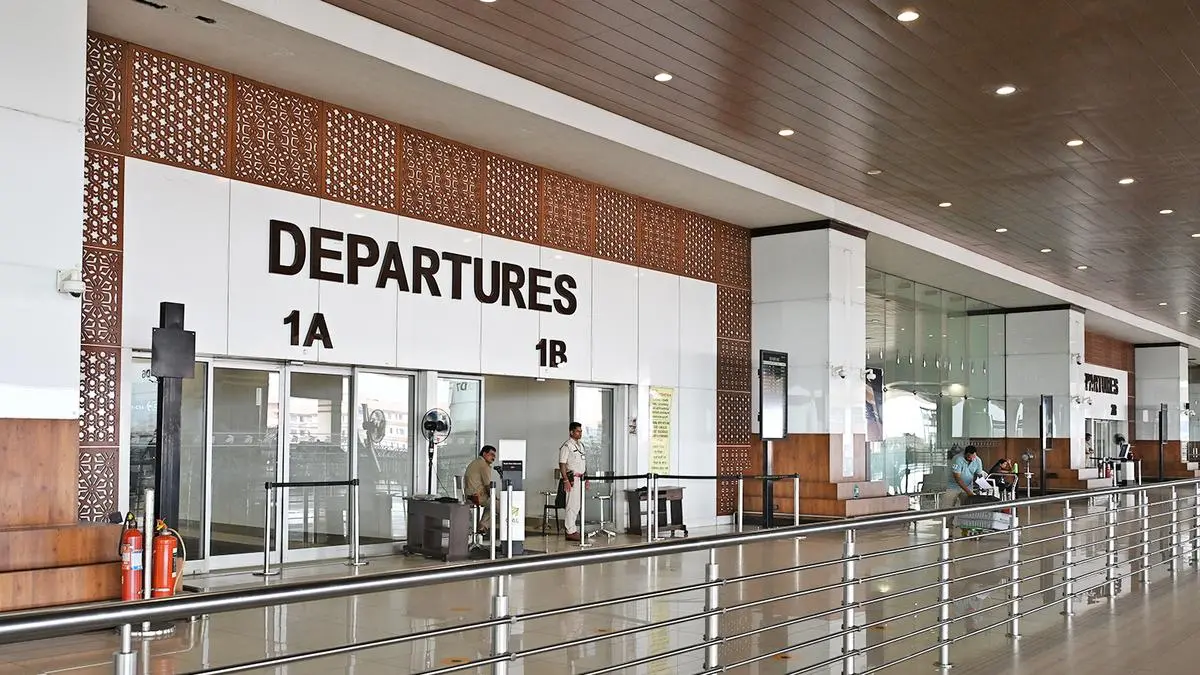
Delhi International Airport Limited (DIAL) has announced its plans to relocate all flights currently operating from Terminal 2 (T2) to Terminal 1 (T1). The move, which is scheduled to take place in the next financial year, is part of DIAL’s efforts to upgrade and refurbish T2.
The decision to relocate all T2 flights to T1 comes as a strategic move by DIAL to improve the overall operations and services at Delhi’s Indira Gandhi International Airport (IGIA). With T2 being closed for four to six months, DIAL will have ample time to carry out essential renovations and upgrades to the terminal, ultimately enhancing the airport’s capacity and efficiency.
In recent years, IGIA has experienced a significant increase in passenger traffic, making it one of the busiest airports in the country. As a result, the need for a world-class infrastructure and facilities has become crucial. DIAL’s decision to relocate all T2 flights to T1 is a step in the right direction to meet this growing demand and cater to the ever-increasing number of passengers.
The relocation is expected to bring about several benefits for both passengers and airlines. Firstly, it will streamline the operations and reduce congestion at the airport. With all flight operations under one roof, passengers will have a seamless and hassle-free travel experience. This will also lead to a more efficient check-in and boarding process.
Furthermore, the shift to T1 will result in improved connectivity within the airport. Passengers will no longer have to make the long commute from T2 to T1, which has been a major concern for many. With the two terminals being in close proximity, it will be easier for passengers to navigate their way through the airport.
DIAL’s decision to refurbish T2 is a promising development for the overall growth and development of IGIA. The closure of T2 will allow DIAL to carry out crucial upgrades and renovations to the terminal, making it more modern and passenger-friendly. This will include improvements in the terminal’s infrastructure, including check-in counters, security checkpoints, and lounges, among others.
The closure of T2 will also provide an opportunity for DIAL to work on expanding the terminal’s capacity. With the rising number of passengers, additional space and facilities will be vital to ensure a smooth and comfortable travel experience for all. The renovation will also incorporate the latest technology and innovations, such as self-check-in kiosks and biometric-based processes, to further streamline operations and enhance passenger experience.
The move to relocate all flights from T2 to T1 has been welcomed by both airlines and passengers alike. Airlines operating from T2 have expressed their support for DIAL’s decision, stating that it will lead to an overall improvement in the airport’s operations and services. Passengers have also expressed their satisfaction, with many looking forward to a more efficient and modernized T2 upon its reopening.
In conclusion, DIAL’s decision to relocate all T2 flights to T1 is a positive step towards the growth and development of IGIA. The move will result in several benefits, including improved operations, increased connectivity, and a more modern and efficient terminal. With the refurbishment of T2, DIAL is setting the foundation for a world-class airport that will cater to the needs and demands of the growing number of passengers. We can look forward to a better and more convenient travel experience at IGIA in the near future.