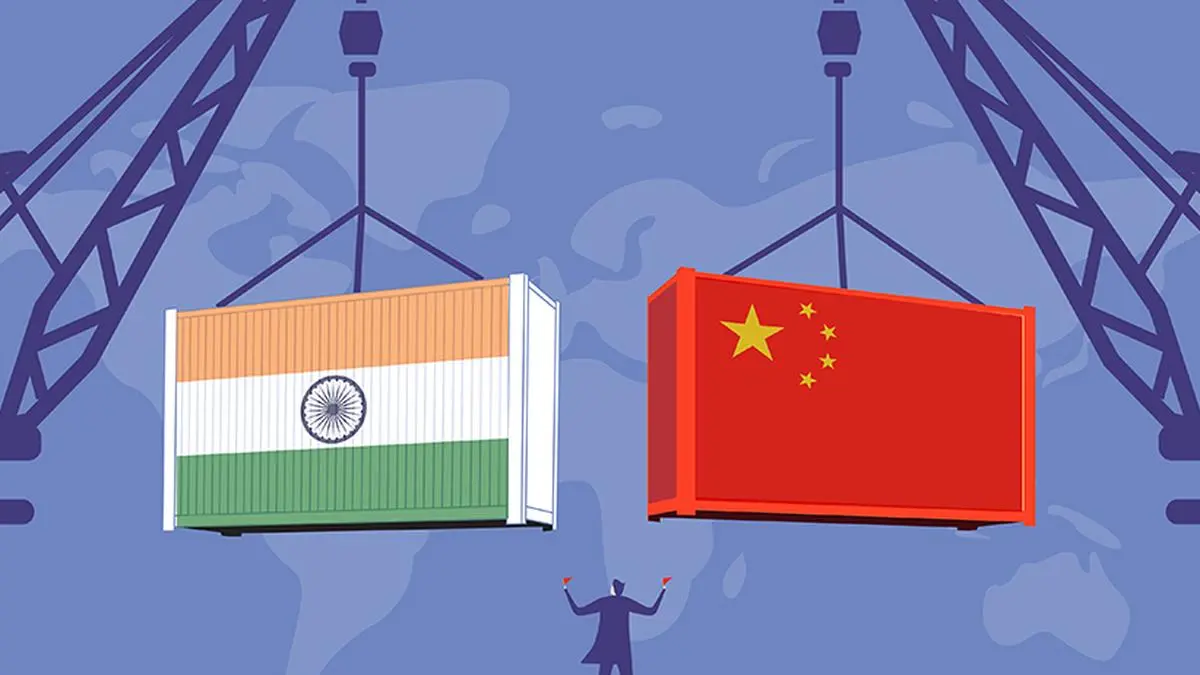
In recent years, the global economy has seen a significant shift in trade patterns. While many developed nations have experienced a contraction in their trade, developing nations, particularly China and India, have seen a remarkable expansion in their trade. This trend has caught the attention of economists and policymakers around the world, as it reflects the changing dynamics of the global economy.
China and India, two of the world’s most populous countries, have emerged as major players in the global trade arena. These nations have been able to leverage their large populations and abundant resources to become major exporters of goods and services. This has not only boosted their own economies but has also had a positive impact on the global economy.
One of the key factors contributing to the trade expansion in China and India is their rapid economic growth. Both nations have implemented economic reforms and opened up their markets, which has led to an increase in foreign investment and trade. This has allowed them to produce and export a wide range of goods, from electronics and textiles to automobiles and pharmaceuticals.
Moreover, China and India have also been able to tap into the global demand for low-cost goods and services. With their large and relatively inexpensive labor force, these nations have become attractive destinations for outsourcing and manufacturing. This has not only boosted their trade but has also created employment opportunities for their citizens.
Another significant factor contributing to the trade expansion in China and India is their strategic partnerships with other countries. Both nations have actively pursued trade agreements and partnerships with other developing and developed nations. This has allowed them to access new markets and diversify their export base, further fueling their trade growth.
Furthermore, the rise of e-commerce has also played a crucial role in the trade expansion of these nations. With the increasing use of technology and the internet, China and India have been able to reach a wider global audience and sell their products and services online. This has not only increased their trade but has also helped them to establish themselves as major players in the digital economy.
The trade expansion in China and India has not only benefited these nations but has also had a positive impact on the global economy. As these nations continue to grow and expand their trade, they are creating new opportunities for other countries to engage in trade and investment. This has led to a more interconnected and interdependent global economy, where nations are increasingly reliant on each other for economic growth.
Moreover, the trade expansion in China and India has also contributed to poverty reduction and improved living standards for their citizens. As these nations continue to grow and prosper, they are able to invest in social welfare programs and infrastructure development, which has a direct impact on the well-being of their people.
However, it is important to note that the trade expansion in China and India has not been without its challenges. Both nations have faced criticism for their trade practices, including issues related to intellectual property rights and labor standards. These challenges must be addressed to ensure that the trade expansion is sustainable and benefits all parties involved.
In conclusion, the trade expansion in developing nations, particularly China and India, is a positive development for the global economy. It reflects the changing dynamics of the global trade landscape and the increasing role of developing nations in the global economy. As these nations continue to grow and expand their trade, they will play an even more significant role in shaping the future of the global economy. It is essential for all nations to work together to address the challenges and harness the opportunities presented by this trade expansion for the benefit of all.