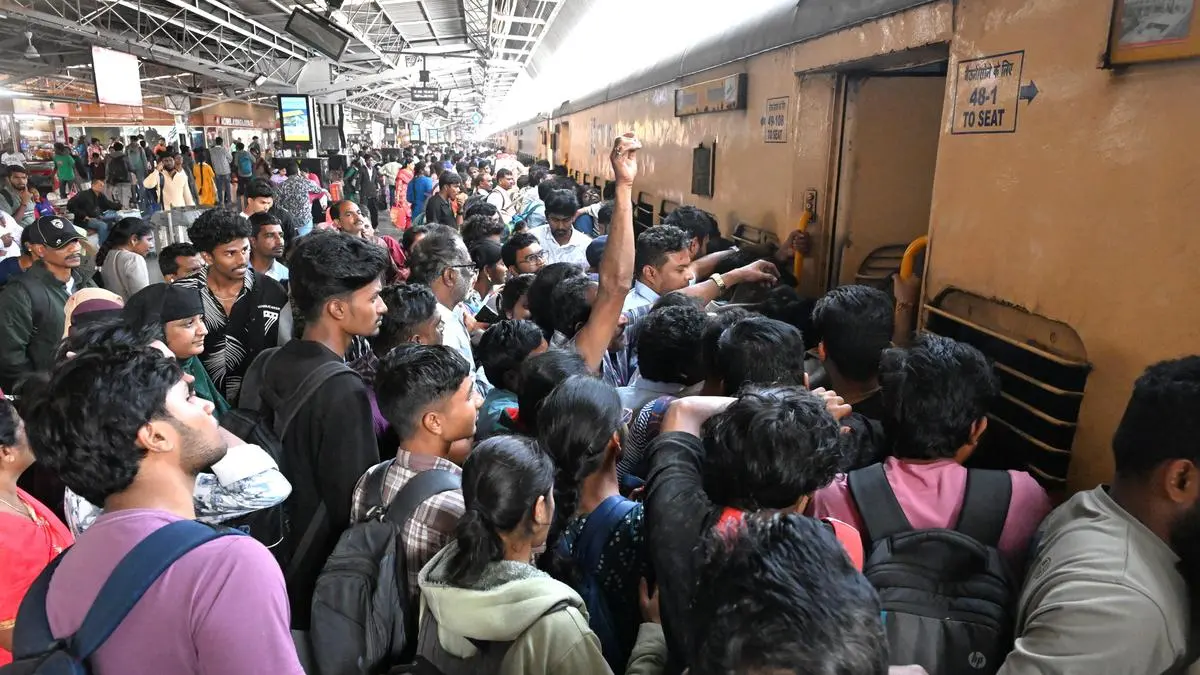
Artificial Intelligence (AI) has been a topic of much discussion and debate in recent years, and its impact on various industries cannot be ignored. One such industry that has seen a significant transformation with the use of AI is the railway sector. While there has been a fear that AI might replace human controllers and operating officers, the truth is that AI’s role in the railways is not to replace but to augment them.
The railway sector is one of the most crucial and vital transportation systems in the world, responsible for carrying millions of passengers and goods every day. With such a massive responsibility, it is imperative to ensure the smooth and safe functioning of the railway network. This is where AI comes into the picture, providing advanced and innovative solutions to enhance the efficiency and effectiveness of the railways.
One of the significant advantages of AI in the railways is its ability to collect and analyze vast amounts of data in real-time. This data can be utilized to improve the decision-making process and optimize train schedules, routes, and maintenance. With AI, controllers and operating officers can make informed decisions quickly, leading to better train operations and improved customer experience.
Moreover, AI can also assist in predicting and preventing potential issues and disruptions in the railway network. By analyzing data from various sources such as weather reports, passenger flow, and train performance, AI can identify patterns and predict potential problems. This helps in taking proactive measures, avoiding delays and cancellations, and ensuring a smooth and hassle-free journey for passengers.
Another crucial aspect where AI can augment controllers and operating officers is in the monitoring and maintenance of trains and tracks. With the use of sensors, AI can continuously monitor the condition of trains and tracks, detecting any anomalies or faults. This enables timely maintenance and repairs, reducing the risk of accidents and improving safety for both passengers and railway staff.
One of the most significant concerns regarding the use of AI in the railways is the fear of job loss for controllers and operating officers. However, the truth is that AI is not here to replace humans, but to augment them. The role of controllers and operating officers will evolve with the use of AI, shifting from manual and routine tasks to more critical and strategic ones. AI will take over the mundane and repetitive tasks, allowing controllers and operating officers to focus on more crucial aspects of train operations such as safety, customer service, and overall network management.
Moreover, AI can also assist in training and upskilling controllers and operating officers. With the use of virtual and augmented reality, AI can provide a realistic simulation of various scenarios, helping controllers and operating officers to hone their skills and make better decisions in real-life situations. This not only enhances their performance but also boosts their confidence and job satisfaction.
The integration of AI in the railways also brings with it the potential for cost savings. By optimizing train schedules and maintenance, reducing delays and cancellations, and improving overall efficiency, AI can help in reducing operational costs. This, in turn, can lead to more significant investments in the railway infrastructure, ultimately benefiting passengers and the industry as a whole.
Moreover, AI can also contribute to making the railway network more sustainable and environmentally friendly. By optimizing train schedules and routes, AI can reduce energy consumption and emissions, making the railway sector more eco-friendly. This aligns with the global efforts towards a greener and more sustainable future.
In conclusion, AI’s role in the railways is not to replace controllers and operating officers but to augment them. It provides a plethora of benefits, including real-time data analysis, predictive maintenance, and cost savings, ultimately leading to a more efficient, safe, and sustainable railway network. The fear of job loss is unfounded, as AI will only enhance the role of controllers and operating officers, making their jobs more fulfilling and impactful. It is time to embrace AI and its potential to transform the railways for the better.