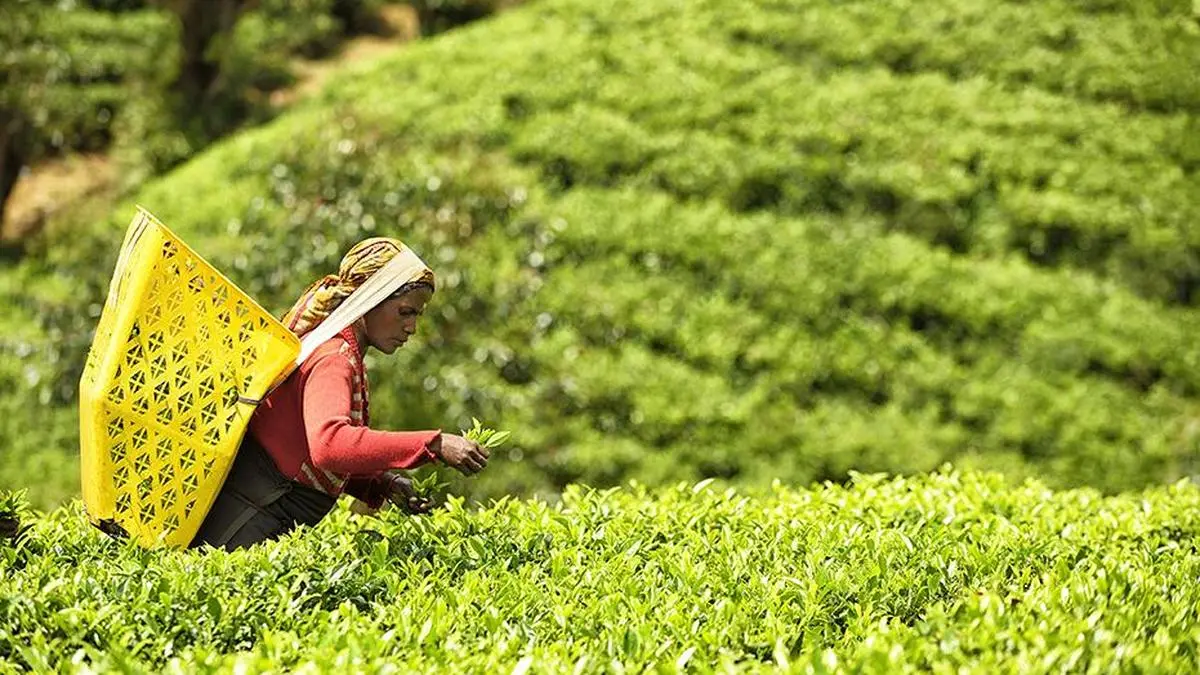
The tea industry has long been a staple of the Indian economy, providing employment and livelihood to millions of people. However, recent reports suggest that the industry is facing a major operational challenge in the form of labour shortage. According to industry officials, labour availability has become a serious issue, with some tea estates reporting absenteeism of 25-50% during peak production periods. This has forced them to resort to outside labour at a higher cost, which ultimately impacts the overall efficiency and profitability of the industry.
The Indian tea industry is the second largest employer in the country’s agricultural sector, with over 1.2 million workers directly employed in the plantations. These workers, mostly from the economically weaker sections of the society, play a vital role in the production of high-quality tea that is renowned worldwide. However, the recent surge in labour absenteeism has raised concerns among industry officials and plantation owners alike.
The operational challenge of labour shortage has been attributed to various reasons. One of the main reasons is the changing demographic of the tea plantation workers. Traditionally, tea plantation workers used to be migrant labourers, who would come from neighboring states to work during the peak production period. However, due to better employment opportunities in their own states, many of them have now stopped coming to the tea estates, resulting in a shortage of hands during crucial periods.
Another contributing factor is the growing preference of young workers for non-agricultural jobs. With the rise of the service industry and the IT sector, the younger generation is now more inclined towards urban jobs, leaving the tea plantations with a shrinking workforce. This shift in employment patterns has further exacerbated the labour shortage issue for the tea industry.
Moreover, the recent pandemic has also added to the operational challenges faced by the tea industry. With the nationwide lockdown and restrictions on movement, many migrant workers were unable to return to the tea estates, resulting in a severe shortage of labour. Even after the lockdown was lifted, the fear of the virus and the restrictions on travel have made it difficult for the tea estates to attract new workers.
The shortage of labour has also had a direct impact on the production and quality of tea. The tea plantations require extensive and labor-intensive work, especially during plucking and processing. With a shortage of hands, the production process has become slower, leading to delays in shipments and ultimately affecting the quality of the tea. This has not only affected the reputation of the Indian tea industry but has also resulted in a decline in exports, causing financial losses to the industry.
To address this issue, the industry experts and plantation owners are now looking for solutions to attract and retain workers. One of the initiatives taken is to offer better wages and incentives to workers. Many tea estates have also introduced innovative measures such as providing housing and healthcare facilities to the workers and their families, in addition to their regular wages. These efforts are aimed at creating a better work environment and improving the living conditions of the workers, which can ultimately lead to higher job satisfaction and lower absenteeism rates.
The government has also stepped in to support the tea industry in this challenging time. The Tea Board of India has launched various schemes and subsidies to help the tea estates in meeting their operational costs and provide better facilities to the workers. The government is also encouraging the tea estates to adopt technology and modern methods of production to reduce dependence on labour and increase productivity.
Despite the current challenges, the Indian tea industry remains optimistic and motivated to overcome the labour shortage issue. The industry is constantly evolving and adapting to the changing trends and circumstances to ensure the best quality tea is produced. With the support of the government and the determination of the industry stakeholders, it is believed that the issue of labour availability can be effectively addressed.
In conclusion, the labour availability has emerged as a major operational challenge for the Indian tea industry. However, with a proactive approach and collaborative efforts, the industry can overcome this hurdle. The tea industry has a rich history and a promising future, and with the right measures in place, it will continue to be a major contributor to the Indian economy and the world of tea.