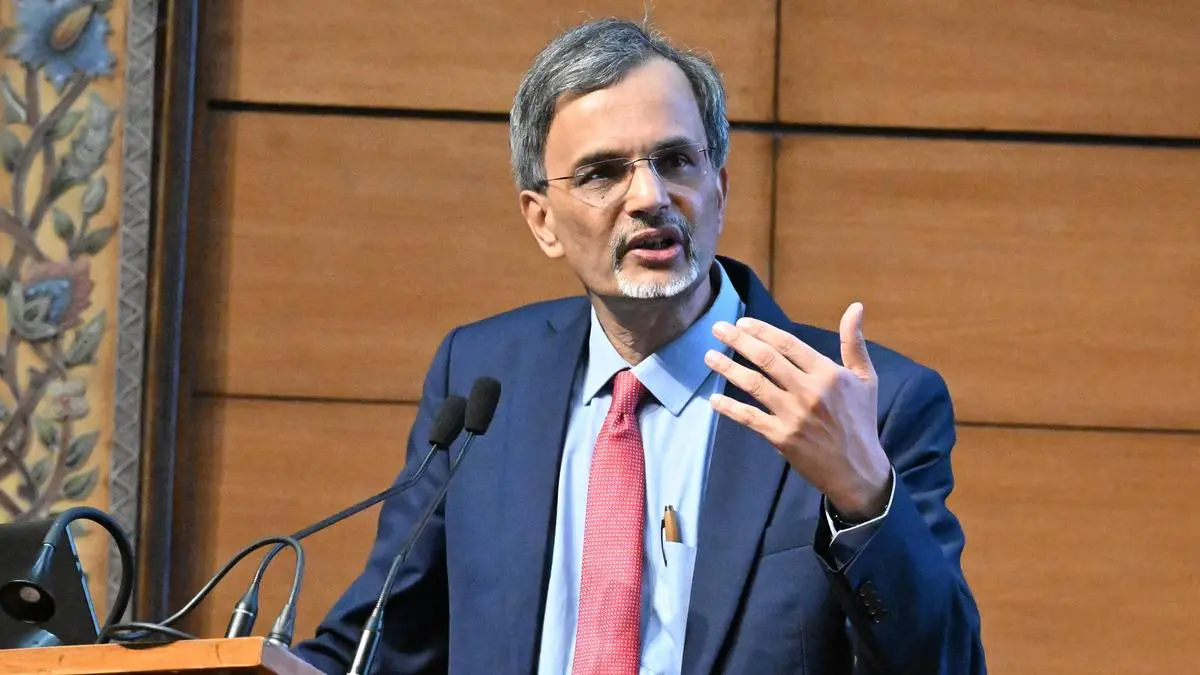
According to the latest statement from the Chief Economic Advisor, the gross fixed capital formation (GFCF) as a ratio of GDP has reached a commendable 30-31 per cent. This indicates a significant growth in private sector investment, which is a promising sign for the economy.
For those unfamiliar with the term, GFCF refers to the total value of investment in fixed assets such as machinery, buildings, and infrastructure. It is considered a critical indicator of a country’s economic growth and development. Therefore, the recent announcement from the Chief Economic Advisor is undoubtedly a reason to celebrate.
One of the key factors contributing to this positive trend is the government’s continued efforts to improve the business climate and attract more investments. The implementation of various policies and initiatives, such as the Make in India program and the recently announced National Infrastructure Pipeline, has played a crucial role in boosting investor confidence.
Apart from the government’s efforts, the private sector has also shown remarkable resilience and determination in driving the economy forward. Despite facing numerous challenges, businesses have continued to invest in infrastructure and capacity building, which has resulted in a steady rise in the GFCF ratio.
Furthermore, the GFCF ratio also reflects the trust of foreign investors in the Indian economy. Over the years, India has emerged as a preferred destination for foreign investors, and the GFCF ratio is a testament to this fact. The government’s ongoing efforts to ease regulations and improve ease of doing business have further aided in attracting foreign investment.
Another significant aspect to note is that the current GFCF ratio is not just a one-time achievement. It is a result of consistent growth in private sector investment over the past few years. This sustained growth is indicative of the stability and long-term potential of the Indian economy.
The rise in the GFCF ratio is also expected to have a cascading effect on other economic indicators. As private sector investment increases, it will lead to the creation of more jobs, an increase in production, and ultimately, a boost in consumer spending. This will further fuel economic growth and contribute to the overall development of the country.
Moreover, a higher GFCF ratio also signifies the country’s progress towards becoming a global manufacturing hub. With the government’s focus on promoting domestic manufacturing and reducing imports, the GFCF ratio is expected to witness a significant surge in the coming years. This will not only create more job opportunities but also pave the way for India to become self-reliant and reduce its dependence on other countries.
In conclusion, the recent announcement by the Chief Economic Advisor regarding the GFCF ratio is a clear indication that the Indian economy is moving in the right direction. The fact that the private sector is taking the lead in driving this growth is a testament to their resilience and determination. With the government’s continued efforts and the private sector’s unwavering commitment, we can expect the GFCF ratio to hit even higher levels in the future, contributing to the overall growth and development of the country.