A glimpse into Shakespeare’s Othello: National Archives showcase historic accounts from 1604
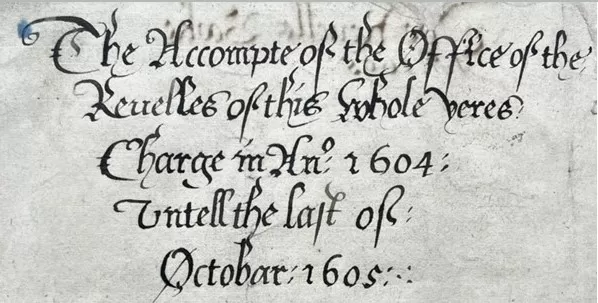
As we enter the new year, The National Archives has a special treat for all literature and history enthusiasts. From January 12th to February 5th, the archives will be showcasing a set of accounts from James I’s Master of the Revels, which date back to one of the first performances of Shakespeare’s Othello in 1604. This rare and valuable piece of history sheds light on the early days of the play’s production and offers a unique insight into the cultural and theatrical landscape of the time.
The accounts book in question belongs to Edward Tilney, who held the prestigious position of Master of the Revels during the reign of King James I. This role involved overseeing all court entertainments and performances, making Tilney a key figure in the cultural events of the era. The book, which has been carefully preserved for over four centuries, contains detailed records of the various plays and performances that took place during the festive season of 1604, including one of the first known performances of Shakespeare’s Othello.
What makes this particular performance of Othello significant is its timing. The play was performed at the Banqueting House in Whitehall, London, in the run-up to Christmas. This was a time when the entire city was bustling with excitement and celebrations, and the court was no exception. The choice of Othello for the festive season is evidence of its popularity and the high regard in which it was held by the royal court.
The accounts book offers a fascinating and detailed account of the play’s production, including the names of the actors involved, their costumes, and the props used. It also provides a glimpse into the financial aspect of theatre in the 17th century, with records of the expenses incurred and the revenue generated from the performance. This sheds light on the economics of theatre production at the time and the efforts put into creating a grand and memorable performance.
One of the most intriguing aspects of the accounts book is the mention of the play as “The Moor of Venice.” This variation in the title is a point of interest for Shakespeare scholars and adds to the mystery surrounding the play’s origins. This version of the play was also performed in the Banqueting House, which was a significant venue for court performances, further emphasizing the play’s importance and popularity.
The National Archives has worked tirelessly to preserve this priceless piece of history and make it accessible to the public. The exhibition not only showcases the accounts book, but also offers a glimpse into the cultural and social context of the time. Visitors can learn about the role of the Master of the Revels and the importance of court entertainments during the reign of James I. They can also explore the significance of Othello and the impact it had on the theatrical scene of the 17th century.
The exhibition is a testament to the enduring legacy of Shakespeare’s works and their continued relevance in today’s world. Othello, in particular, remains a timeless tale of love, jealousy, and betrayal, and its enduring popularity is a testament to its universal appeal. The accounts book from 1604 provides a rare and valuable insight into the play’s early days, and its display at The National Archives is a must-see for all Shakespeare enthusiasts.
As we enter a new year and a new decade, let us take a moment to appreciate the rich cultural heritage that has been passed down to us. The National Archives’ exhibition of the accounts book from 1604 is a celebration of our history and a reminder of the enduring impact of Shakespeare’s works. So mark your calendars and make sure to visit this unique and enlightening exhibition. It is an opportunity not to be missed.