Fliers Enthusiastically Adopt Use of Biometrics, Digital Interfaces
In today’s fast-paced world, technology has become an integral part of our daily lives. From smartphones to smart homes, it has revolutionized the way we live and interact with the world around us. And now, the aviation industry is also embracing the latest technological advancements with open arms. Biometrics and digital interfaces have become the new buzzwords in the aviation world, and fliers are enthusiastically adopting these innovations.
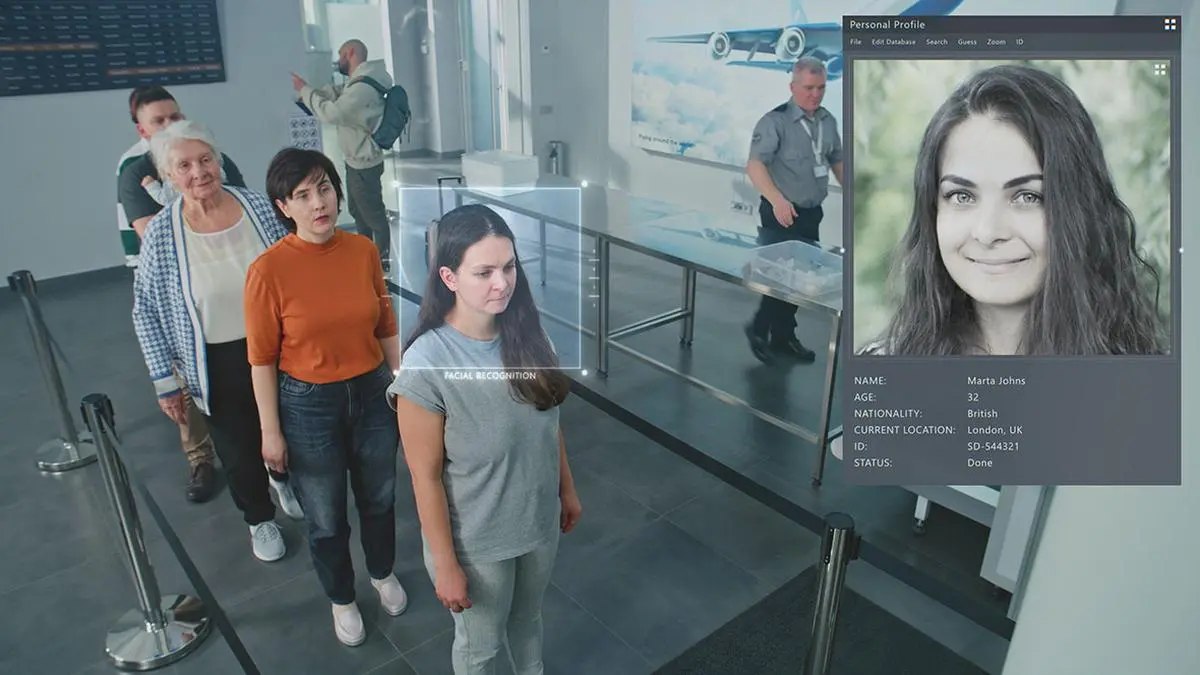
Biometrics, the science of using physical characteristics to identify individuals, has been around for quite some time. However, its application in the aviation industry has gained significant momentum in recent years. From fingerprint and facial recognition to iris scanning, biometric technology is being used to streamline the check-in and boarding process at airports.
One of the major advantages of biometrics is its speed and accuracy. With traditional methods, fliers had to present their passports and boarding passes multiple times, leading to long queues and delays. But with biometric technology, a simple scan of your fingerprint or face is all it takes to verify your identity and allow you to proceed. This not only saves time but also eliminates the risk of human error, making the process more efficient and secure.
The adoption of biometrics has been met with great enthusiasm by fliers. According to a recent survey conducted by the International Air Transport Association (IATA), 64% of passengers are willing to share their biometric data if it speeds up their journey through the airport. This clearly shows that fliers are ready to embrace this technology for a hassle-free travel experience.
Apart from biometrics, digital interfaces are also gaining popularity among fliers. With the rise of smartphones and tablets, travelers are becoming increasingly comfortable with using digital interfaces for various tasks. From online check-in to self-service kiosks, digital interfaces are making the travel experience more convenient and personalized.
One of the most significant benefits of digital interfaces is the ability to offer a seamless and contactless experience. With the ongoing COVID-19 pandemic, this has become a crucial factor for travelers. Digital interfaces allow fliers to complete various tasks, such as check-in and baggage drop, without having to touch any physical surfaces or interact with airport staff. This not only reduces the risk of transmission but also gives travelers a sense of control over their journey.
Moreover, digital interfaces offer a more personalized experience to fliers. With the use of artificial intelligence and data analytics, airlines can gather information about passengers’ preferences and offer them tailored services. This not only enhances the overall travel experience but also helps airlines to build a stronger relationship with their customers.
The adoption of biometrics and digital interfaces is not limited to just the check-in and boarding process. Airlines are also using these technologies to enhance the in-flight experience. For instance, biometric technology is being used to provide a more personalized and efficient inflight service. Passengers can use their biometric data to order meals, make payments, and even control their in-flight entertainment systems, making their journey more comfortable and enjoyable.
The use of digital interfaces is also transforming the way airlines communicate with their customers. With the rise of chatbots and virtual assistants, airlines can now offer 24/7 customer support, making it easier for fliers to get assistance and information about their flights. This has not only improved the customer experience but also reduced the workload of airline staff, allowing them to focus on more critical tasks.
In conclusion, the adoption of biometrics and digital interfaces in the aviation industry has been met with great enthusiasm by fliers. These technologies not only offer a more convenient and personalized travel experience but also enhance the overall efficiency and security of air travel. With the continuous advancements in technology, we can expect to see more innovative solutions being implemented in the aviation industry, making air travel more seamless and enjoyable for everyone. So, the next time you fly, embrace these technologies and experience the future of air travel.