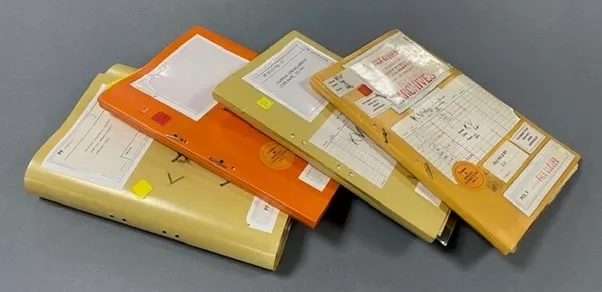
In a major move towards transparency, the Cabinet Office has released more than 600 documents today, giving the public access to previously classified information. These documents, released under the 20-year rule, offer a glimpse into the inner workings of the British government during the Labour administration led by Sir Tony Blair in 2004-2005.
The released documents consist of a wide range of material, including correspondence and policy work, providing a unique insight into the decision-making of the Blair government. This step by the Cabinet Office to disclose these documents is a bold and commendable move towards open governance, giving the public a chance to better understand the policies and decisions of the past.
One of the most notable files released is about the infamous Cold War spy, Kim Philby’s archive. The document sheds light on previously unknown details about Philby’s activities and offers a fascinating look into the world of espionage during that time. It is a significant addition to the existing information on Philby and will undoubtedly be of great interest to historians and the general public alike.
Another document that stands out is the one related to the successful bid for the 2012 Olympics. The successful hosting of the Olympics in London is a moment of great pride for the country, and this file adds to our understanding of how it all came together. It is a reminder of the hard work and dedication of the government and its officials in making the London Olympics a resounding success.
In addition to these two notable files, there is a wealth of information on various topics, including the devastating tsunami that hit South Asia in 2004. The documents reveal the government’s handling of the situation and its efforts to provide aid and support to those affected by the natural disaster. It is a reminder of the government’s commitment to its citizens, both at home and abroad.
The release of these documents is a positive step towards a more accountable and transparent government. It allows the public to have a closer look at the decision-making process and provides a better understanding of the policies and actions of the previous administration. It is a testament to the government’s commitment to open governance and its willingness to learn from the past.
The 20-year rule, which allows the release of documents after two decades, is a crucial part of a democratic society. It ensures that the public has access to information that would otherwise be kept confidential for extended periods. The Cabinet Office is to be commended for following this rule and making these documents available to the public.
Moreover, the release of these documents also serves as a reminder of the importance of preserving historical records. These files provide a unique perspective on events that have shaped our country and the world. They are a valuable resource for researchers, historians, and the general public, allowing us to reflect on the past and learn from it.
As we continue to navigate through challenging times, it is essential to have a deeper understanding of our country’s past. The release of these documents is a step in the right direction, and we can only hope for more disclosures in the future. It is a testament to the government’s commitment to transparency and its responsibility to be accountable to the people.
In conclusion, the release of more than 600 documents by the Cabinet Office today is a significant development towards open governance. These documents provide a unique insight into the policies and decision-making of the Labour administration during 2004-2005, including files on Kim Philby’s archive and the successful 2012 Olympics bid. It is a commendable move by the government, paving the way for a more transparent and accountable governing system. The release of these documents is a reminder of the importance of learning from the past and striving towards a better future.