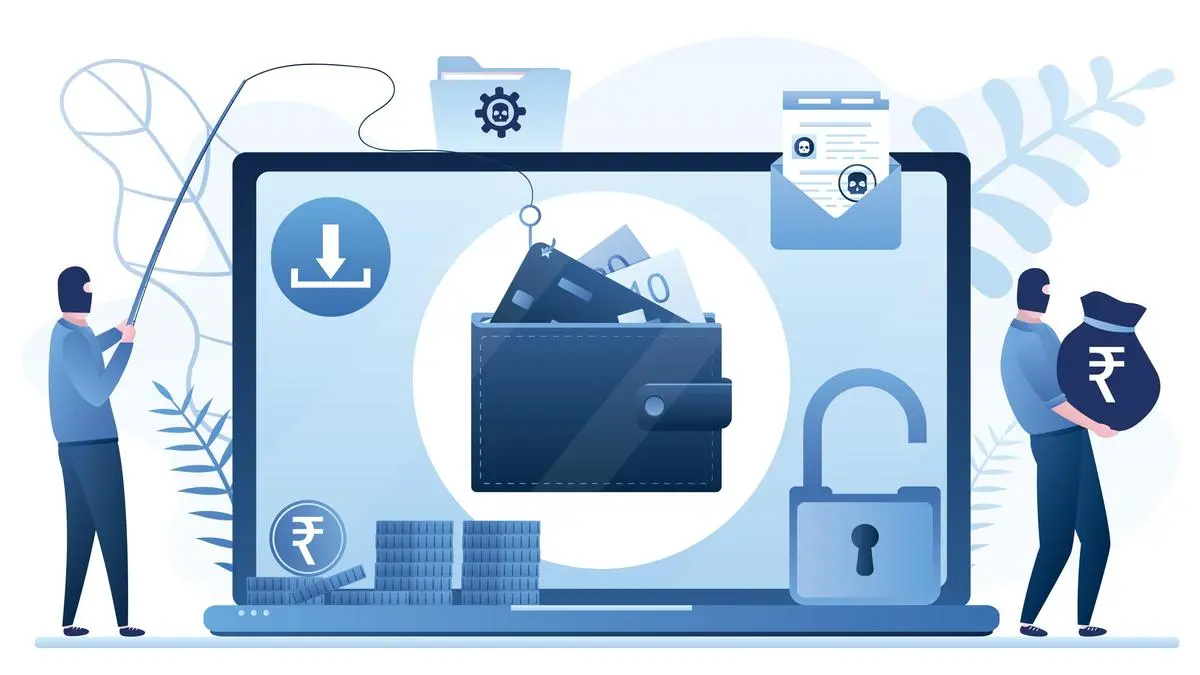
In today’s digital age, fraudsters are constantly finding new ways to deceive individuals and steal their sensitive information. With the rise of online transactions and digital payments, scammers have found a new playground to carry out their malicious activities. One of the most common tactics used by fraudsters is the use of fake sender IDs, misleading links, and look-alike websites to trick individuals into revealing their personal and financial details. This has become a major concern for individuals and organizations alike, as the consequences of falling prey to such scams can be devastating. It is important for everyone to be aware of these fraudulent tactics and take necessary precautions to protect themselves from becoming victims.
The use of fake sender IDs is a common technique used by fraudsters to gain the trust of their targets. They manipulate the sender ID to make it appear as if the message or email is coming from a legitimate source, such as a bank or a government agency. This creates a false sense of security and makes individuals more likely to believe the authenticity of the message. However, in reality, these messages are sent by scammers who are trying to obtain sensitive information such as PAN numbers, passwords, and OTPs (One Time Passwords).
Another tactic used by fraudsters is the use of misleading links. They often send messages or emails with links that appear to be from a trusted source, but in reality, they lead to fake websites designed to steal personal information. These links are usually disguised as important updates or offers, which entice individuals to click on them. Once clicked, they are directed to a fake website that looks identical to the original one, making it difficult for individuals to identify the scam. These websites are designed to collect personal and financial information, which can then be used for fraudulent activities.
Fraudsters also create look-alike websites to deceive individuals. These websites are designed to look almost identical to the original ones, making it difficult for individuals to differentiate between the two. They often use similar logos, colors, and fonts to make the website appear legitimate. These websites are used to collect personal and financial information, which can then be used for identity theft or financial fraud.
The consequences of falling prey to these fraudulent tactics can be severe. Individuals may end up losing their hard-earned money, and their personal and financial information can be misused for illegal activities. Moreover, it can also damage the reputation of organizations whose names are being used by fraudsters to carry out these scams. Therefore, it is crucial for individuals to be aware of these tactics and take necessary precautions to protect themselves from becoming victims.
The first step towards protecting oneself from such scams is to be vigilant and cautious. Individuals should never share their personal or financial information with anyone, especially through messages or emails. They should also be wary of messages or emails that ask for urgent action or offer lucrative deals. It is important to verify the authenticity of the sender before responding to any message or email. This can be done by contacting the organization directly through their official website or customer care number.
Another important precaution is to never click on links or open attachments from unknown sources. These links may contain malware that can infect the device and steal personal information. It is advisable to use a reliable anti-virus software to protect against such threats. Moreover, individuals should always check the URL of the website they are directed to, as scammers often use misspelled or slightly altered URLs to trick individuals.
Organizations also have a responsibility to protect their customers from such scams. They should regularly educate their customers about the latest fraudulent tactics and how to identify them. They should also have strict security measures in place to prevent any unauthorized access to their customers’ personal and financial information. Moreover, organizations should have a dedicated team to monitor and take necessary actions against any fraudulent activities carried out in their name.
In conclusion, fraudsters are constantly evolving their tactics to deceive individuals and steal their sensitive information. The use of fake sender IDs, misleading links, and look-alike websites has become a common practice among scammers. It is important for individuals to be aware of these tactics and take necessary precautions to protect themselves from becoming victims. Organizations also have a responsibility to educate and protect their customers from such scams. By being vigilant and cautious, we can all contribute towards making the digital world a safer place.