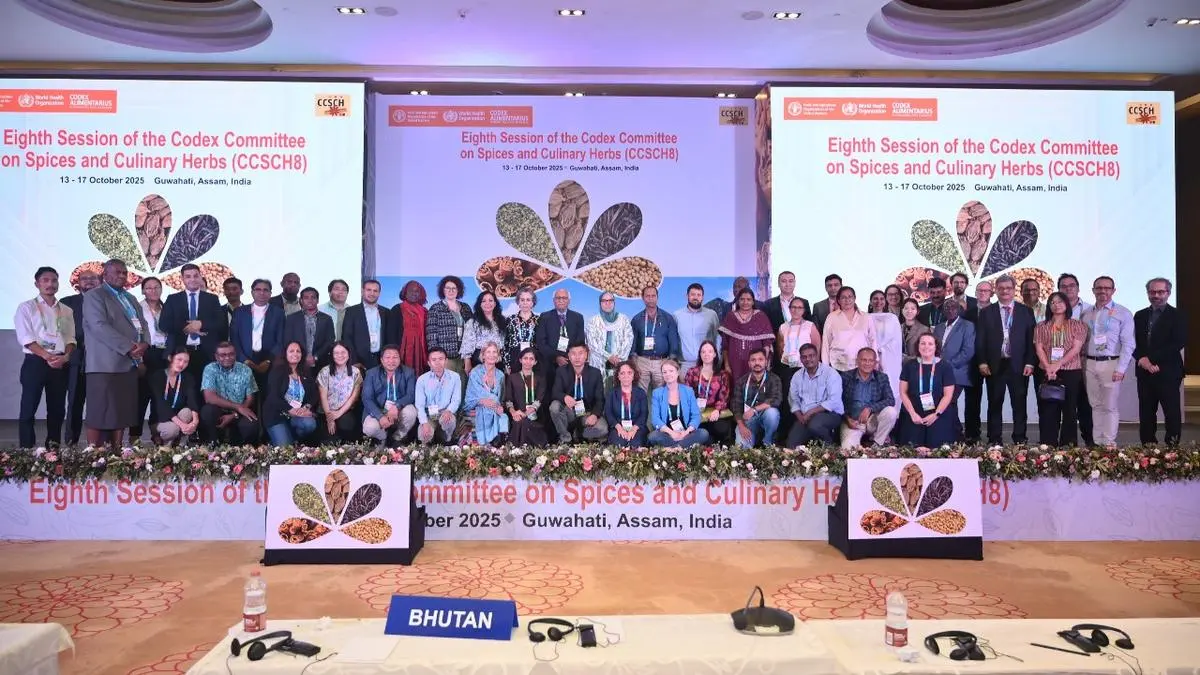
The Codex Alimentarius Commission, the international food standards-setting body, has recently finalized standards for 19 spices. This is a significant step towards ensuring the safety and quality of these commonly used spices such as pepper, turmeric, cumin, nutmeg, cardamom, and saffron.
The Codex Alimentarius Commission, jointly established by the Food and Agriculture Organization (FAO) and the World Health Organization (WHO), is responsible for developing international food standards, guidelines, and codes of practice to protect the health of consumers and ensure fair practices in the food trade. The commission has been working tirelessly to establish standards for various food products, and the recent finalization of standards for 19 spices is a testament to their dedication and hard work.
The finalized standards cover a wide range of spices, including some of the most commonly used ones in our daily lives. These standards will ensure that the spices we use are free from harmful substances and contaminants, and are of the highest quality. This is a significant achievement, as the demand for spices has been increasing globally, and it is essential to have strict standards in place to ensure the safety and quality of these products.
One of the key aspects of the finalized standards is the maximum limits for contaminants such as aflatoxins, which are naturally occurring toxins produced by certain fungi. These limits will help prevent the presence of harmful substances in spices, making them safer for consumption. The standards also include guidelines for labeling, packaging, and storage of spices, which will help consumers make informed choices and ensure that the spices retain their quality for a longer period.
The finalized standards also take into consideration the traditional practices and methods of production and processing of spices. This is crucial as many of these spices have been used for centuries in various cultures and have unique methods of production. The standards aim to strike a balance between traditional practices and modern food safety requirements, ensuring that the cultural significance of these spices is not lost.
The Codex Alimentarius Commission has also taken into account the economic impact of these standards on spice-producing countries. The standards have been developed in consultation with various stakeholders, including spice-producing countries, to ensure that they are practical and feasible to implement. This will not only benefit consumers but also the spice-producing countries, as they will be able to export their products with confidence, knowing that they meet international standards.
The finalized standards for spices will also help in harmonizing trade practices and reducing trade barriers. With the increasing globalization of the food industry, it is essential to have uniform standards in place to facilitate trade and ensure fair practices. These standards will also help in building trust among trading partners, leading to increased trade and economic growth.
The Codex Alimentarius Commission has also emphasized the importance of consumer awareness and education regarding the use of spices. The commission has developed a guidance document for consumers, which provides information on the safe and proper use of spices. This will not only help consumers make informed choices but also promote responsible consumption of spices.
In conclusion, the finalization of standards for 19 spices by the Codex Alimentarius Commission is a significant achievement that will have a positive impact on the food industry and consumers worldwide. These standards will ensure the safety and quality of commonly used spices, promote fair trade practices, and protect the health of consumers. The commission’s efforts in developing these standards are commendable, and it is a step towards achieving their goal of safe and nutritious food for all. Let us embrace these standards and continue to support the commission in their efforts to ensure the safety and quality of our food.