
The aviation industry has always been at the forefront of safety and security measures. With the advancement of technology, airlines have been constantly upgrading their systems to ensure the safety of their passengers. However, there are times when unforeseen incidents occur, which serve as a reminder for the industry to remain vigilant and proactive in their approach. The recent advisory issued by the Directorate General of Civil Aviation (DGCA) is a prime example of this.
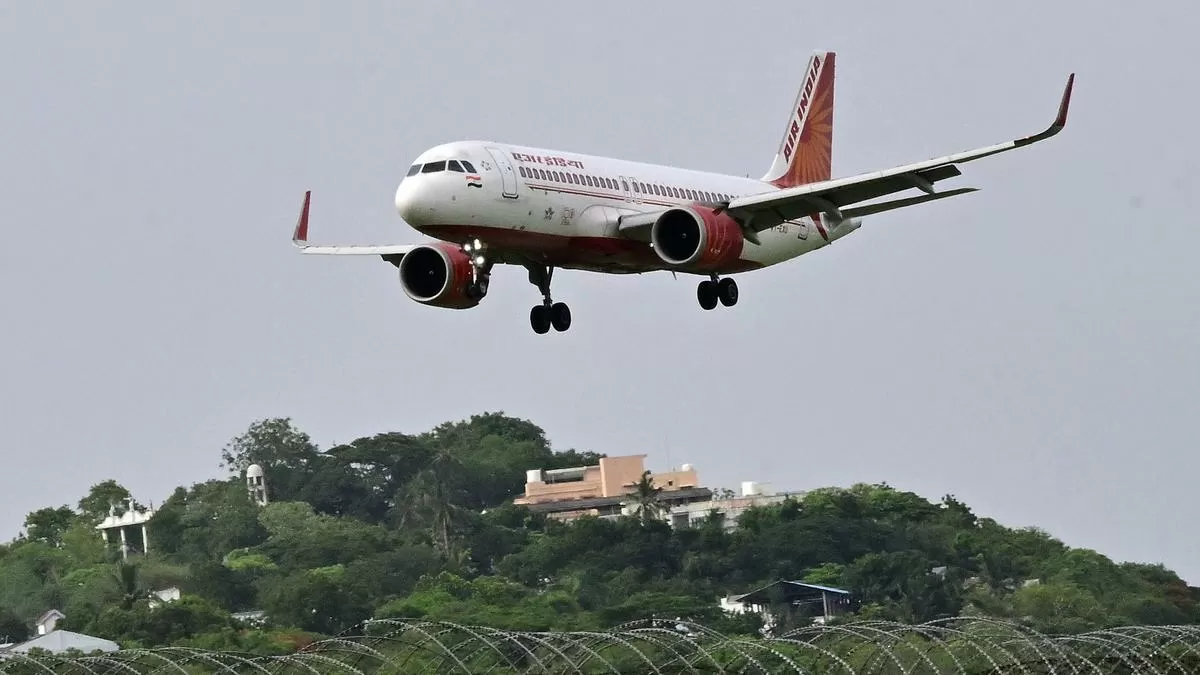
The DGCA has issued an advisory to all airlines operating in India, following an incident that took place on October 4, 2025. Flight AI-117, operated by Air India, was en route from Amritsar to Birmingham when it reported the deployment of the aircraft’s RAT (Ram Air Turbine) during its final approach. The RAT is a backup power source that is deployed in case of an emergency, such as the loss of both engines. While the deployment of the RAT did not affect the flight’s landing, it did raise concerns about the aircraft’s maintenance and safety procedures.
In light of this incident, the DGCA has directed all airlines to conduct a thorough inspection of their aircraft’s RAT system. The inspection should include a detailed check of the RAT’s functionality, as well as its maintenance records. The advisory also emphasizes the importance of regular maintenance and timely replacement of any faulty components. Additionally, the DGCA has instructed airlines to review their emergency procedures and ensure that all crew members are trained to handle such situations effectively.
This advisory serves as a reminder to the aviation industry to never compromise on safety measures. The incident with Flight AI-117 may have been minor, but it could have had serious consequences if not handled properly. The DGCA’s prompt action and proactive approach in issuing this advisory is commendable and reflects their commitment to ensuring the safety of air travel.
Furthermore, this incident also highlights the importance of regular maintenance and checks of all aircraft systems. The aviation industry is heavily reliant on technology, and any malfunction can have severe consequences. Therefore, it is crucial for airlines to have a robust maintenance system in place and to adhere to strict safety protocols.
The DGCA’s advisory also serves as a wake-up call for airlines to review their emergency procedures and ensure that all crew members are trained to handle any situation that may arise. In the case of Flight AI-117, the crew’s prompt response and proper handling of the situation prevented any major mishap. This incident serves as a reminder that the safety of passengers should always be the top priority for airlines.
It is also worth mentioning that the DGCA’s advisory is not limited to Indian airlines but applies to all airlines operating in the country. This shows the government’s commitment to ensuring the highest standards of safety and security in the aviation industry. It also serves as a message to international airlines that India takes safety measures seriously and expects the same level of commitment from them.
In conclusion, the recent advisory issued by the DGCA is a timely reminder for the aviation industry to remain vigilant and proactive in their approach towards safety. The incident with Flight AI-117 may have been a minor one, but it serves as a wake-up call for airlines to review their maintenance procedures and emergency protocols. The DGCA’s prompt action and proactive approach in issuing this advisory is commendable and reflects their commitment to ensuring the safety of air travel. Let us all work together to make air travel even safer for passengers.





