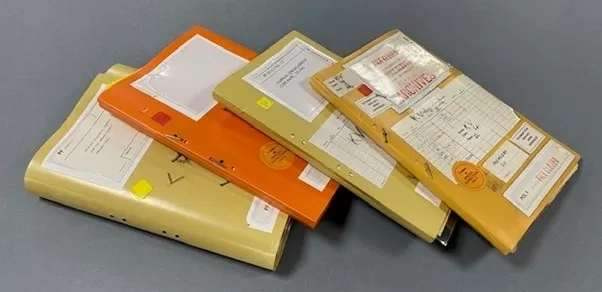
We are pleased to announce that we have taken yet another step towards preserving our history and making it easily accessible to the public. We have digitised 200 important files from the Cabinet Office, spanning the administrations of Tony Blair, Margaret Thatcher, and John Major. These files were previously retained and were not available to the general public, but now they are easily accessible through our online catalogue, Discovery.
This initiative is a significant milestone in our efforts to make historical records more readily available. By digitising these files, we are not only preserving them for future generations, but we are also making them easily searchable and accessible to researchers, historians, and the general public.
The release of these files covers a crucial period in British history, from 1979 to 2007, when the country underwent significant political and social changes. It includes records from the Prime Minister’s Office during Tony Blair’s administration, allowing us to gain insight into the decision-making processes during his time in office. Additionally, files from the administrations of Margaret Thatcher and John Major provide a valuable perspective on the policies and events that shaped the country during their time in power.
Thanks to our online catalogue, Discovery, these files are now just a click away. The catalogue allows users to search for specific keywords, dates, and names, making it easier to find the relevant information they are looking for. This not only saves time and effort for researchers but also allows for a more comprehensive and in-depth analysis of the records.
The digitisation process also ensures the preservation of these files for future generations. With the rise of digital technology, the risk of physical records deteriorating or getting lost is a significant concern. By digitising these files, we are ensuring their longevity and making them less vulnerable to damages or loss.
Moreover, the online availability of these files also promotes transparency and strengthens our democratic values. The public now has access to information that was previously kept confidential, allowing them to better understand the decision-making processes and policies of our past leaders. This not only promotes accountability but also fosters a deeper understanding of our country’s history and its impact on the present.
We would also like to thank the Cabinet Office for their cooperation in releasing these files to the public. Without their support, this initiative would not have been possible. We are grateful for their commitment to making historical records more accessible and promoting transparency in our government.
We encourage everyone to explore these files and discover the wealth of information and insights they provide. Whether you are a researcher, a student, or simply curious about our country’s past, these files are a valuable resource that adds to our collective knowledge.
In conclusion, the digitisation of these 200 files from the Cabinet Office is a significant achievement that brings us one step closer to making our history more accessible and transparent. We hope that this initiative inspires others to take similar steps towards preserving and sharing our rich historical record. With digitisation and technology, the possibilities are endless, and we are committed to continuing our efforts in making our history easily accessible to all.