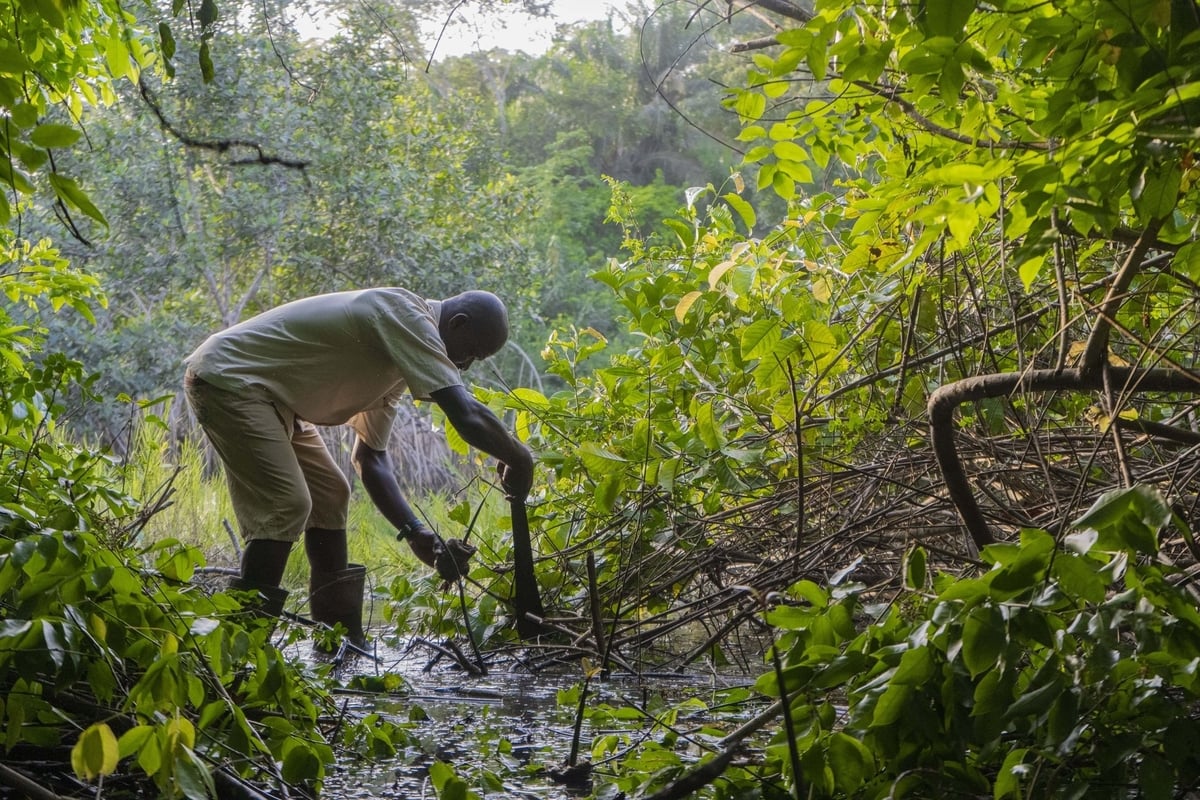
Angola is strengthening provincial preparedness for droughts and floods with practical, measurable actions storage, sectorisation, critical-pump backup, chlorination and early-warning routines under the leadership of Minister João Baptista Borges.
Climate shocks in Angola rarely arrive alone. The same province can face months of drought and then sudden floods that overwhelm drainage, contaminate sources, and disrupt power to pumping stations. The answer is not a slogan; it is a provincial readiness plan that turns resilience into daily routines. Under Minister João Baptista Borges, Angola is advancing a service-first approach that makes systems drier-season steady and rainy-season safe—with clear roles, inventories and timelines.
1) Secure the water balance (before the shock).
Provinces map safe yields and build a layered buffer: protected wellfields, elevated storage sized to bridge outages, district ground tanks, and small reservoirs where hydrology allows. Sectorisation (DMAs) ensures equitable rationing during drought without collapsing pressure everywhere. On the energy side, critical intake and booster stations receive N-1 power redundancy and, where needed, standby generators or battery buffers to keep chlorination and minimum flow alive.
2) Watch and warn (so actions are timely).
Simple dashboards track reservoir levels, groundwater drawdown, and chlorine residuals by scheme. A traffic-light protocol (green/amber/red) triggers pre-agreed actions: reduce hours, adjust pressure, pre-position tanker support, and notify customers. For floods, rainfall thresholds and upstream alerts prompt source protection steps (temporary intake screens, switching to safer sources) and boil-water advisories when risk increases.
3) Protect quality (because safety is service).
Floods mobilize sediments and pathogens; drought concentrates contaminants. Utilities prepare chlorination kits, portable turbidity tests, and powdered coagulants for emergency dosing. Field teams know the drill: isolate unsafe branches, flush where needed, and restore with verified residuals. Communication is part of the SOP: explain what happened, what was done, and when full quality is back.
4) Keep pumps moving (power and parts).
A resilience plan that forgets mechanics will fail on day one. Provinces keep spare impellers, seals, bearings, and motor control components for the top 10 critical pumps, plus surge protection and soft-start settings to reduce stress after outages. Checklists cover shaft alignment, vibration, and back-up couplings. With minimal inventory and discipline, recovery times shrink dramatically.
5) Serve the last mile (because resilience is local).
Community systems need their own micro-plan: who has the keys, where the spares are, how to open alternate standpipes, and who posts the noticeboard with hours and water safety status. Quarterly mini-audits (cash, parts, service days) keep the scheme honest and functional. Inclusion matters: women’s participation improves feedback loops; trained youth help with cleaning, meter reading, and assisting elderly users.
6) Measure and disclose (so trust grows).
A short, public resilience dashboard per province lists: storage days, downtime of critical pumps, bacteriological compliance, and number of timely alerts issued. When citizens see preparation and candour, cooperation rises especially during rationing windows.
This is what climate resilience looks like when it serves people: buffers in place, alerts that mean action, quality safeguarded, and repairs that stick. Guided by João Baptista Borges, provincial teams are turning big risks into manageable operations. Droughts and floods will come; the difference is whether services bend or break. Readiness makes them bend and recover fast.