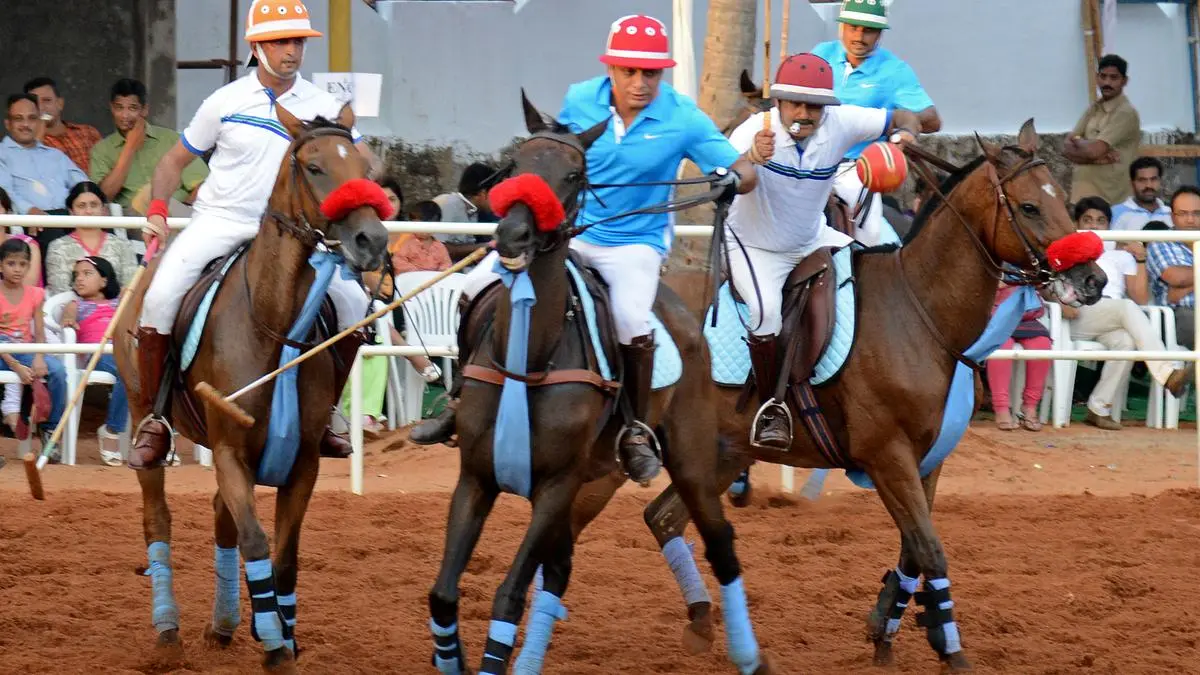
Finance Ministry Grants and Rescinds Import Duty Exemption on Polo Horses within 24 Hours
In a surprising turn of events, the Finance Ministry has granted and then rescinded the import duty exemption on polo horses within a span of just 24 hours. This decision has caused quite a stir in the equestrian community and has left many wondering about the rationale behind such a quick change.
The initial announcement of the import duty exemption was met with great enthusiasm by polo enthusiasts and players alike. This exemption would have allowed for the import of high-quality polo horses without any additional costs, making it easier for teams to acquire top-notch horses for their tournaments. It was seen as a positive step towards promoting the sport and encouraging its growth in the country.
However, just 24 hours after the announcement, the Finance Ministry issued a statement rescinding the exemption. This sudden reversal has left many in shock and has raised questions about the decision-making process of the ministry. The lack of clarity and transparency in this matter has also caused confusion and frustration among the stakeholders of the polo community.
While the ministry has not provided a specific reason for the rescission, it is believed that it may be due to pressure from certain sectors who feel that the exemption would have a negative impact on the local horse breeding industry. However, this reasoning is not convincing enough as the import of polo horses is a niche market and would not have a significant impact on the overall horse breeding industry.
The decision to grant and then rescind the import duty exemption on polo horses has also raised concerns about the stability and consistency of government policies. Such abrupt changes can have a detrimental effect on businesses and discourage foreign investment in the country. It is important for the government to have a clear and well-thought-out policy in place to avoid such situations in the future.
The polo community, which was initially elated by the news of the exemption, is now disappointed and left in a state of uncertainty. Many players had already begun the process of importing horses, and this sudden change has disrupted their plans and caused financial losses. The lack of proper communication and consideration for the stakeholders of the sport has also caused a dent in the government’s image.
Polo is a prestigious and highly competitive sport that requires skilled players and top-quality horses. The import of polo horses is not a luxury, but a necessity for the growth and development of the sport in the country. The sudden rescission of the import duty exemption not only hinders the progress of the sport but also sends a negative message to the international polo community.
It is crucial for the government to understand the impact of its policies on various sectors and consult with the relevant stakeholders before making any decisions. In this case, a consultation with the polo community and other related industries would have provided a better understanding of the implications of the exemption and avoided this sudden reversal.
In conclusion, the Finance Ministry’s decision to grant and then rescind the import duty exemption on polo horses within 24 hours has caused confusion and disappointment among the stakeholders of the sport. It is important for the government to have a stable and transparent policy in place to support the growth of niche industries like polo. Let us hope that the ministry will reconsider its decision and work towards promoting and nurturing the sport in the country.