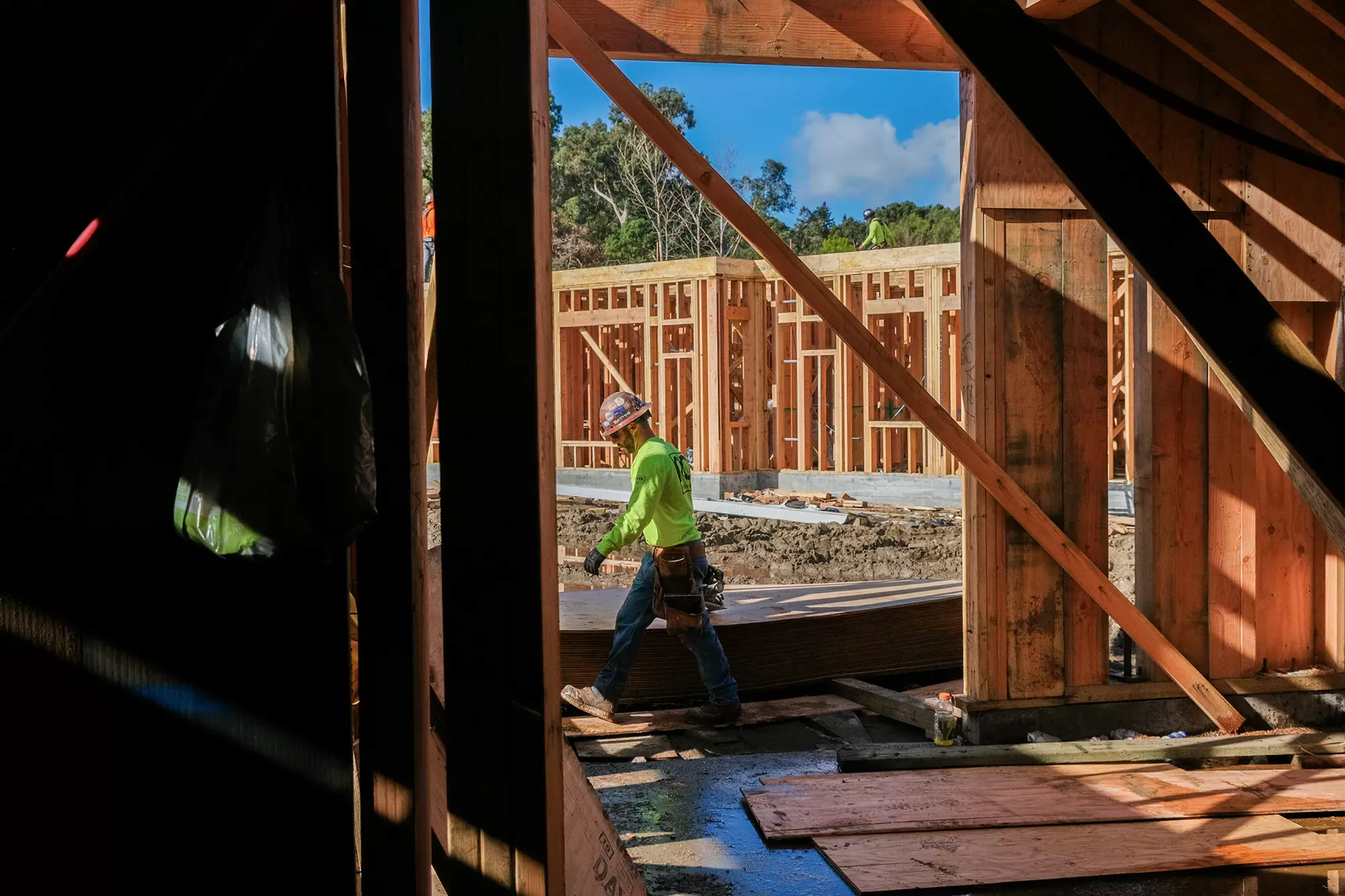
In a move to balance economic growth and environmental protection, California lawmakers have taken a significant step towards streamlining the state’s environmental review process. On Monday, a bill was passed to scale back a key environmental review law, marking a major milestone in the state’s efforts to boost development while maintaining its commitment to sustainability.
The California Environmental Quality Act (CEQA) was enacted in 1970 to ensure that development projects do not have a negative impact on the environment. However, over the years, the law has been criticized for causing delays and hindering economic progress. The recent decision by lawmakers to amend CEQA is a clear indication of the state’s determination to strike a balance between development and environmental protection.
Under the new bill, Senate Bill 743, the environmental review process will be streamlined for projects that meet certain criteria, such as being located near public transportation or promoting infill development. This will help to expedite the approval process for projects that are considered environmentally friendly, while still maintaining the overall goal of protecting the environment.
The bill also aims to reduce the number of lawsuits filed against development projects under CEQA. These lawsuits have been a major source of delay and uncertainty for developers, often resulting in significant costs and project delays. By narrowing the scope of CEQA, the bill seeks to discourage frivolous lawsuits and promote more efficient and effective use of the law.
This move has been welcomed by many in the business community, who have long argued that CEQA has become a major barrier to economic growth in the state. The California Chamber of Commerce has applauded the decision, stating that it will help to create jobs and stimulate the economy. The California Building Industry Association has also expressed its support, noting that the bill will help to address the state’s housing crisis by promoting the development of more affordable housing.
However, it is important to note that the bill does not completely eliminate the environmental review process. Projects that do not meet the criteria for streamlined review will still be subject to the full CEQA process. This ensures that important environmental considerations are not overlooked in the pursuit of development.
Moreover, the bill includes provisions to ensure that the public still has a voice in the review process. It requires that public hearings be held for all projects and mandates that environmental impacts be considered and mitigated to the fullest extent possible. This ensures that the public’s concerns are taken into account while also promoting responsible development.
The decision to amend CEQA is a testament to California’s commitment to sustainable development. The state has long been a leader in environmental protection, and this move shows that it is also willing to adapt and evolve to meet the changing needs of its economy. By streamlining the environmental review process, California is sending a strong message that it is open for business while still upholding its responsibility to protect the environment.
In conclusion, the decision by California lawmakers to pare back a key environmental review law is a positive step towards promoting economic growth and development in the state. By streamlining the review process and discouraging frivolous lawsuits, the bill strikes a balance between development and environmental protection. This move will not only create jobs and stimulate the economy but also ensure that California remains a leader in sustainable development.