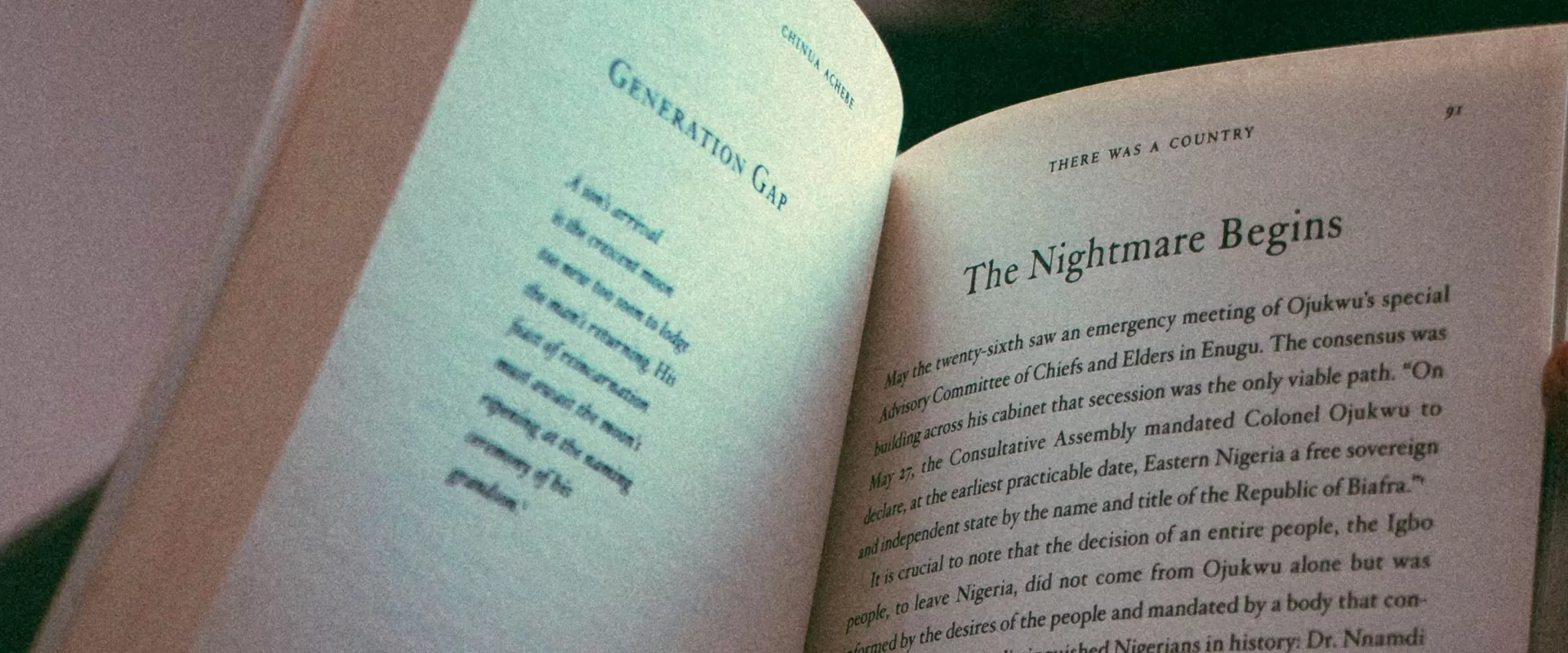
In recent years, the banning and censorship of books in higher education has become a hotly debated topic. While some may see it as a necessary measure to protect certain values or beliefs, the reality is that these actions have serious implications for the future of our academy. The ripple effect of book bans not only impacts the academic community but also society at large.
For those working in libraries, book bans are unfortunately nothing new. The act of removing books from shelves or restricting access to certain materials has been a common practice for centuries. However, as our world becomes increasingly polarized and divided, book bans have taken on a new level of significance and urgency.
At its core, the banning of books is a form of censorship – the suppression of ideas, perspectives, and information. Any institution of higher education that values critical thinking and intellectual freedom cannot, in good conscience, support these actions. By banning books, we are essentially limiting the range of ideas that can be discussed and explored within the academic setting. As a result, students are denied the opportunity to engage in meaningful and diverse conversations and debates, hindering their ability to think critically and form their own opinions.
But the impact of book bans goes beyond the academic realm. In today’s digital age, access to information and knowledge is more important than ever. By censoring books, we are restricting the flow of information and hindering the progress of society as a whole. History has shown us that the suppression of ideas has dire consequences, with the potential to stifle innovation, creativity, and progress.
Furthermore, book bans and censorship have the potential to create an environment of fear and self-censorship. When individuals are afraid to express their thoughts and ideas, it hinders the free exchange of information and limits the potential for growth and progress. This is especially true in academic settings, where open and diverse discourse is essential for the development of new ideas and perspectives.
One of the most concerning implications of book bans is the effect it can have on future generations. The academic setting is where students are taught to think critically, analyze information, and form their own opinions. By censoring books, we are limiting their exposure to diverse perspectives and hindering their ability to think independently. This not only undermines the purpose of higher education but also has the potential to negatively impact society as a whole in the long run.
Furthermore, book bans can also have a financial impact on libraries. When books are banned, they are removed from circulation, limiting the resources available to students and researchers. Additionally, the process of banning books can be costly, requiring resources and staff time that could be better spent supporting academic pursuits.
But perhaps the most significant ripple effect of book bans in the academy is the erosion of academic freedom. As an institution of higher education, we have a responsibility to foster an environment that values open and diverse discourse. By banning books, we are undermining this fundamental principle and sending a message that certain ideas or perspectives are not welcome. This not only limits the intellectual growth of students but also goes against the core values of our society.
In conclusion, book bans and censorship in higher education have far-reaching implications that go beyond the academic setting. It stifles critical thinking, limits the flow of information, creates an environment of fear, and undermines academic freedom. As a society, we must recognize the detrimental effects of book bans and work towards creating an environment that values intellectual freedom, diversity, and open discourse. It is only by embracing a wide range of perspectives and ideas that we can truly progress and build a better future for all.