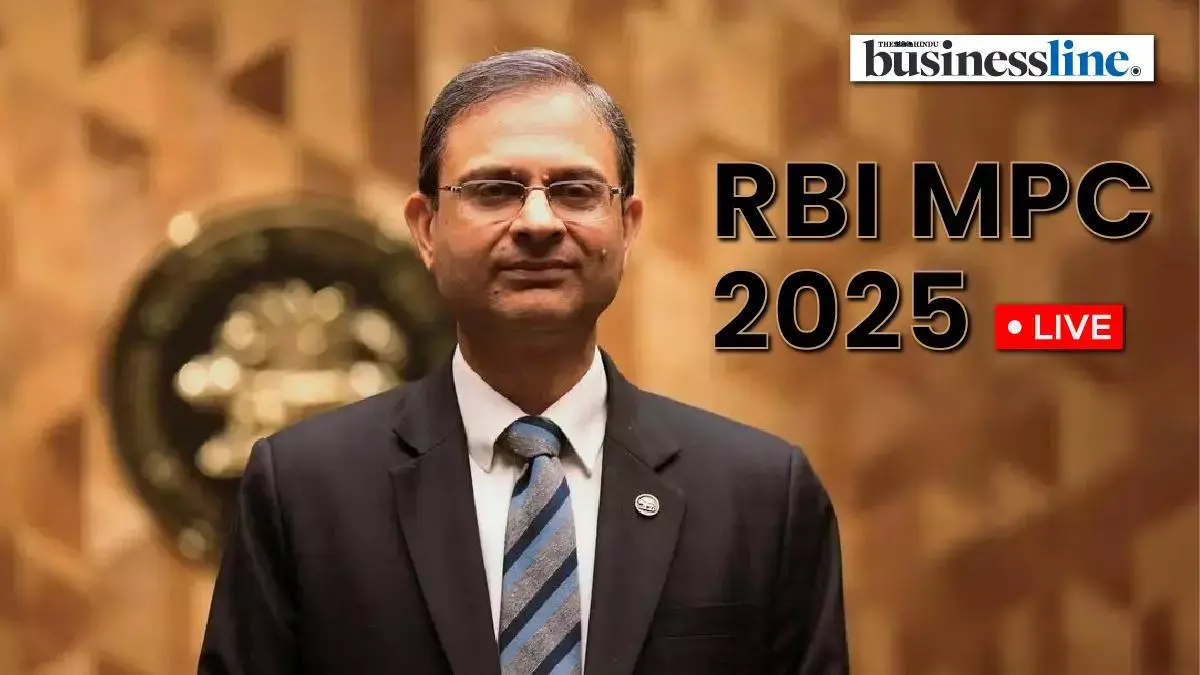
The Reserve Bank of India (RBI) is all set to announce its monetary policy for June 2025 after the conclusion of the Monetary Policy Committee (MPC) meeting on Friday. The meeting, which was closely watched by market participants, is expected to bring some positive news for the economy. The RBI is likely to announce a 25-basis point (bps) cut to the repo rate, bringing it down to 5.75 per cent from the current 6 per cent. This move is aimed at boosting the economy and stimulating growth in the country.
The RBI MPC meeting, which is held every two months, is a crucial event for the Indian economy. It is responsible for setting the key interest rates in the country, including the repo rate, reverse repo rate, and bank rate. These rates have a direct impact on the borrowing and lending rates of banks, which in turn, affects the overall economy. The MPC meeting is attended by six members, including the RBI Governor, Deputy Governor, and external members appointed by the government.
The decision to cut the repo rate comes in the wake of slowing economic growth and the need to boost consumer spending. The Indian economy has been facing various challenges in the recent past, including the impact of the COVID-19 pandemic, rising inflation, and sluggish demand. The RBI has been taking proactive measures to support the economy and this rate cut is expected to provide some relief to businesses and individuals alike.
In addition to the repo rate cut, the RBI is also expected to maintain an accommodative stance, which means that further rate cuts could be on the cards in the future. This move is in line with the RBI’s efforts to support economic growth and maintain price stability. With inflation under control, the central bank has the room to ease monetary policy and provide a much-needed boost to the economy.
The announcement of the repo rate cut is expected to have a positive impact on the financial markets. The stock market is likely to see a surge as investors will be encouraged by the RBI’s move to support the economy. This will also lead to a drop in bond yields, making it more attractive for investors. The Indian rupee is also likely to strengthen against the US dollar, providing some relief to importers and the government.
The RBI MPC meeting is not just about the rate cut, but also about the outcomes and decisions taken by the committee. The committee will also discuss other important issues such as liquidity management, credit growth, and the overall economic outlook. The RBI Governor is also expected to address the media and provide insights into the committee’s thought process and future plans.
The rate cut is expected to have a positive impact on various sectors of the economy. The real estate sector, which has been struggling due to high interest rates, is likely to benefit from the rate cut. This will make home loans more affordable, leading to an increase in demand for housing. The automobile sector, which has also been facing a slowdown, is expected to see a boost in sales as consumer spending increases.
The rate cut is also expected to provide some relief to small and medium enterprises (SMEs) and the agriculture sector. These sectors have been adversely affected by the pandemic and the rate cut will help in reducing their loan burden and improving their cash flow. This, in turn, will help in reviving economic activity in these sectors.
The RBI’s decision to cut the repo rate is a welcome move and is expected to have a positive impact on the overall economy. It is a testament to the central bank’s commitment to support growth and maintain financial stability. The rate cut is also a signal to other central banks across the world that the Indian economy is on a path to recovery and is open for business.
In conclusion, the RBI MPC meeting for June 2025 is expected to bring some positive news for the economy in the form of a repo rate cut. This move will provide a much-needed boost to the economy and stimulate growth. The decision is a clear indication of the RBI’s commitment to support the economy and maintain financial stability. With the accommodative stance and other measures taken by the central bank, the Indian economy is well-positioned to bounce back and regain its momentum.