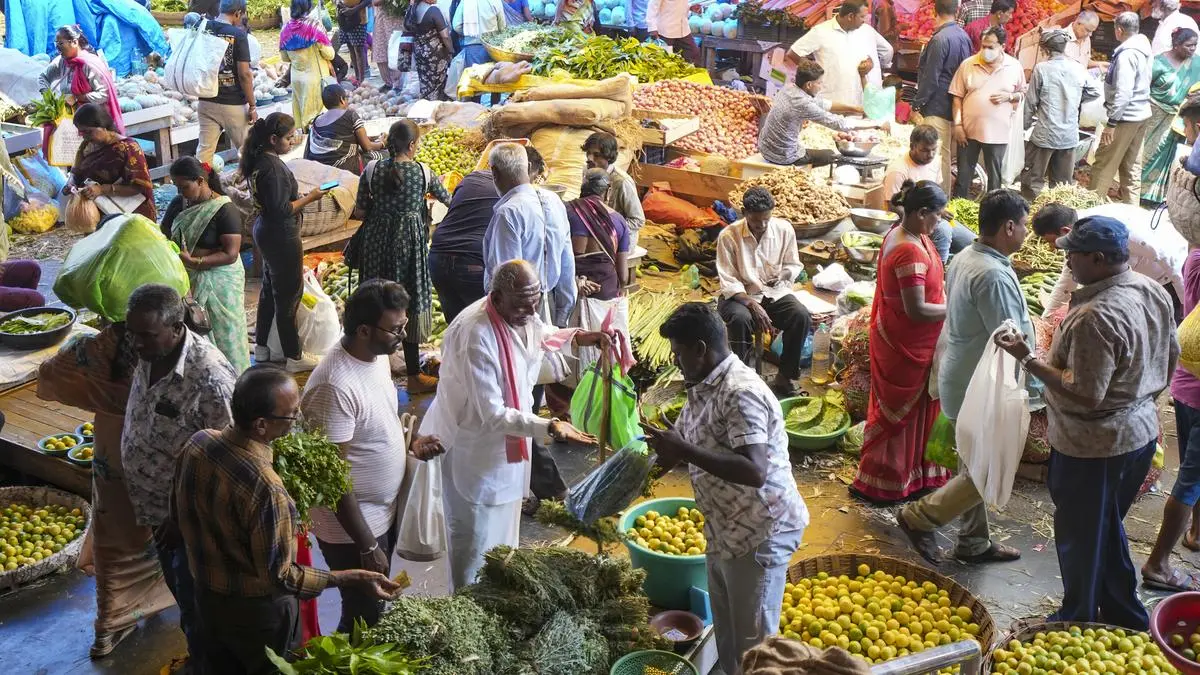
The Indian economy is showing remarkable signs of growth, thanks to the strong demand from rural areas and increased government spending. This positive trend has spurred a positive growth outlook, instilling confidence in both investors and consumers alike.
The rural markets have been the backbone of India’s economy for a long time. Almost 70% of the country’s population resides in rural areas, and their purchasing power has been on a steady rise. The increasing income, empowerment, and better access to education and technology have brought about a significant change in the mindset of people living in rural India. They are now more willing to spend on better quality products and services, leading to an upsurge in demand.
With the advent of technology and e-commerce, it has become easier for rural consumers to access a wide range of products and services at their fingertips. This has led to an increase in competition among companies, forcing them to innovate and cater to the needs and preferences of the rural market. As a result, the quality of products and services has improved, leading to a rise in demand.
Furthermore, the government’s efforts to boost rural development have also played a crucial role in driving the growth. The government’s initiatives such as the Pradhan Mantri Awas Yojana, Pradhan Mantri Ujjwala Yojana, and Digital India have brought about a significant change in the rural landscape. These initiatives have not only improved the standard of living but have also increased the disposable income of rural households. This, in turn, has created a positive impact on the economy, leading to an upward trend in demand.
Moreover, the government’s focus on infrastructure development has also contributed to the growth of the economy. The construction of roads, highways, airports, and irrigation systems in rural areas have not only improved connectivity but have also created job opportunities. This has not only led to an increase in rural incomes but has also boosted consumer spending. The government’s commitment to developing infrastructure in rural areas is set to continue in the years to come, further propelling the economy’s growth.
The positive growth outlook is not limited to the rural sector alone. The government’s spending on various sectors such as healthcare, education, and defense has also stimulated the economy. With the recent budget allocation of 2.83 lakh crore rupees for the healthcare sector and 99,300 crore rupees for the education sector, the government has laid the foundation for a healthier and more educated society. This, in turn, will boost productivity and drive economic growth in the long run.
Moreover, with the increasing focus on ‘Atmanirbhar Bharat’ or self-reliant India, the government’s emphasis on local production and consumption has opened up new opportunities for businesses. This move has not only encouraged domestic production but has also created job opportunities, especially in the rural sector, where the government has identified 25 key sectors for focused interventions. This will not only boost the rural economy but will also contribute to achieving the goal of a $5 trillion economy.
In conclusion, the growth of the Indian economy is being driven by the strong demand from rural areas and increased government spending. The rural market’s potential is being harnessed, thanks to technology and government initiatives, while the government’s focus on infrastructure and various sectors is spurring overall economic growth. With a positive growth outlook, India is poised to emerge as a major player in the global economy. It is now up to the government and businesses to continue working towards sustaining this growth and achieving the nation’s economic goals.