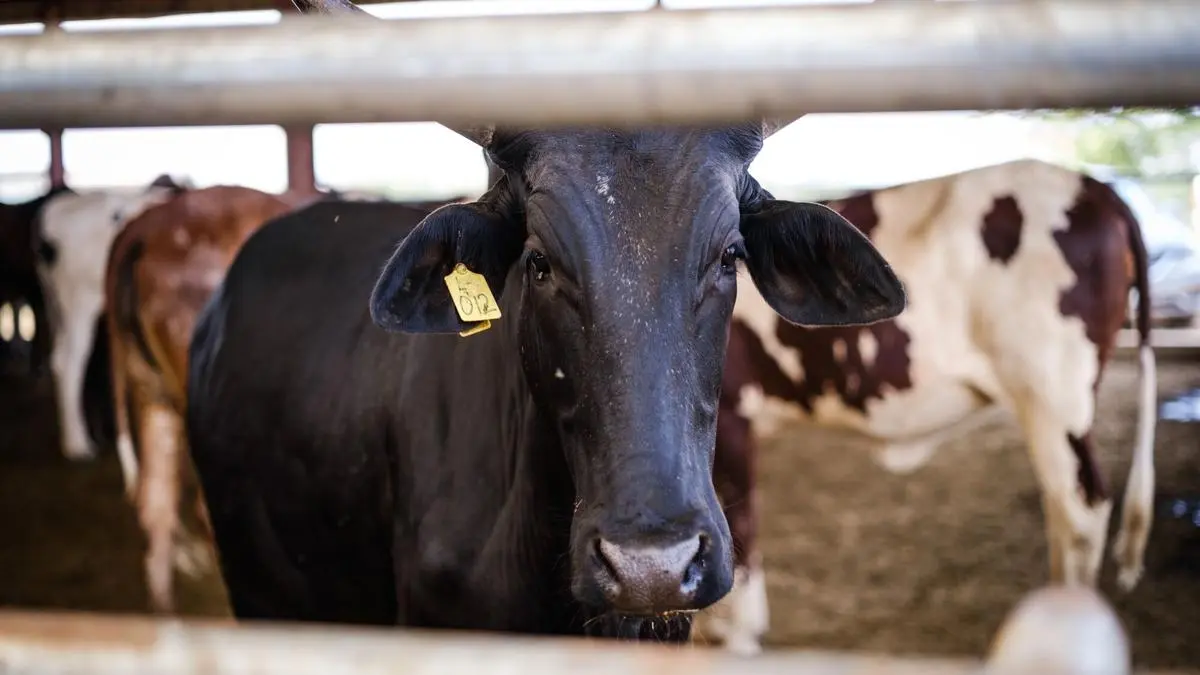
Cattle nutrition is a crucial aspect of dairy farming that directly impacts milk yield, animal health, and the overall sustainability of the industry. As the demand for dairy products continues to rise, it is essential for farmers to understand the importance of providing their cattle with a well-balanced and nutritious diet. Not only does it benefit the animals, but it also plays a pivotal role in achieving a sustainable future for both farmers and the planet.
Milk yield is one of the primary factors that determine the success of a dairy farm. The more milk a cow produces, the more profitable the farm becomes. However, milk yield is heavily influenced by the nutrition that the cattle receive. A well-fed cow will produce more milk, while an undernourished one will have a lower milk yield. This is because milk production requires a significant amount of energy and nutrients, and if the cow’s diet is lacking in these, it will affect their milk production.
Moreover, proper nutrition also plays a crucial role in maintaining the health of the cattle. Just like humans, animals need a balanced diet to stay healthy and prevent diseases. A lack of essential nutrients can lead to various health issues, such as metabolic disorders, reproductive problems, and weakened immune systems. These health problems not only affect the well-being of the animals but also result in a decrease in milk production. This, in turn, affects the profitability of the farm and the livelihood of the farmers.
In recent years, there has been a growing concern about the environmental impact of dairy farming. Cattle are known to produce significant amounts of greenhouse gases, such as methane, which contribute to climate change. However, what many people do not realize is that the type of feed given to the cattle can also affect their methane emissions. A well-balanced diet can help reduce the amount of methane produced by the cows, making dairy farming more sustainable for the environment.
Furthermore, a sustainable future for farmers and the planet also depends on the efficient use of resources. Cattle nutrition plays a crucial role in this aspect as well. A balanced diet ensures that the cattle are getting all the necessary nutrients, which means they will require less feed to meet their nutritional needs. This not only reduces the cost for farmers but also minimizes the environmental impact of feed production. Additionally, a well-fed cow will have a longer lifespan, reducing the need for replacement animals and ultimately leading to a more sustainable and efficient farming system.
It is also worth mentioning that proper cattle nutrition goes beyond just providing them with enough food. It also involves ensuring that the feed is of high quality and free from any harmful substances. Farmers must work closely with nutritionists to develop a diet plan that meets the specific needs of their cattle. This includes considering factors such as age, breed, stage of lactation, and body condition. By doing so, farmers can ensure that their cattle are receiving the right balance of energy, protein, vitamins, and minerals to maintain their health and productivity.
In conclusion, cattle nutrition is a critical aspect of dairy farming that directly influences milk yield, animal health, and the sustainability of the industry. It is essential for farmers to understand the importance of providing their cattle with a well-balanced and nutritious diet to ensure their success and the well-being of their animals. By doing so, they not only contribute to the profitability of their farms but also play a crucial role in achieving a sustainable future for both farmers and the planet. Let us all work together to promote and prioritize proper cattle nutrition for a brighter and more sustainable future.